
Stepping into my kitchen often feels like diving into a bustling Bangkok street market, where the tantalizing aromas of Pad Thai dance in the air. What if I told you that you can recreate this vibrant experience at home in just 25 minutes—with a twist? This Keto Pad Thai recipe swaps traditional noodles for shirataki noodles, offering a low-carb and dairy-free version that doesn’t compromise on taste. The benefit? You’ll serve up a comforting meal that’s as quick as it is satisfying, perfect for busy nights. Plus, it’s customizable—whether you prefer succulent shrimp, tender chicken, or a medley of fresh vegetables, you can make it your own! Curious how to stir up this mouthwatering dish? Let’s dive in!
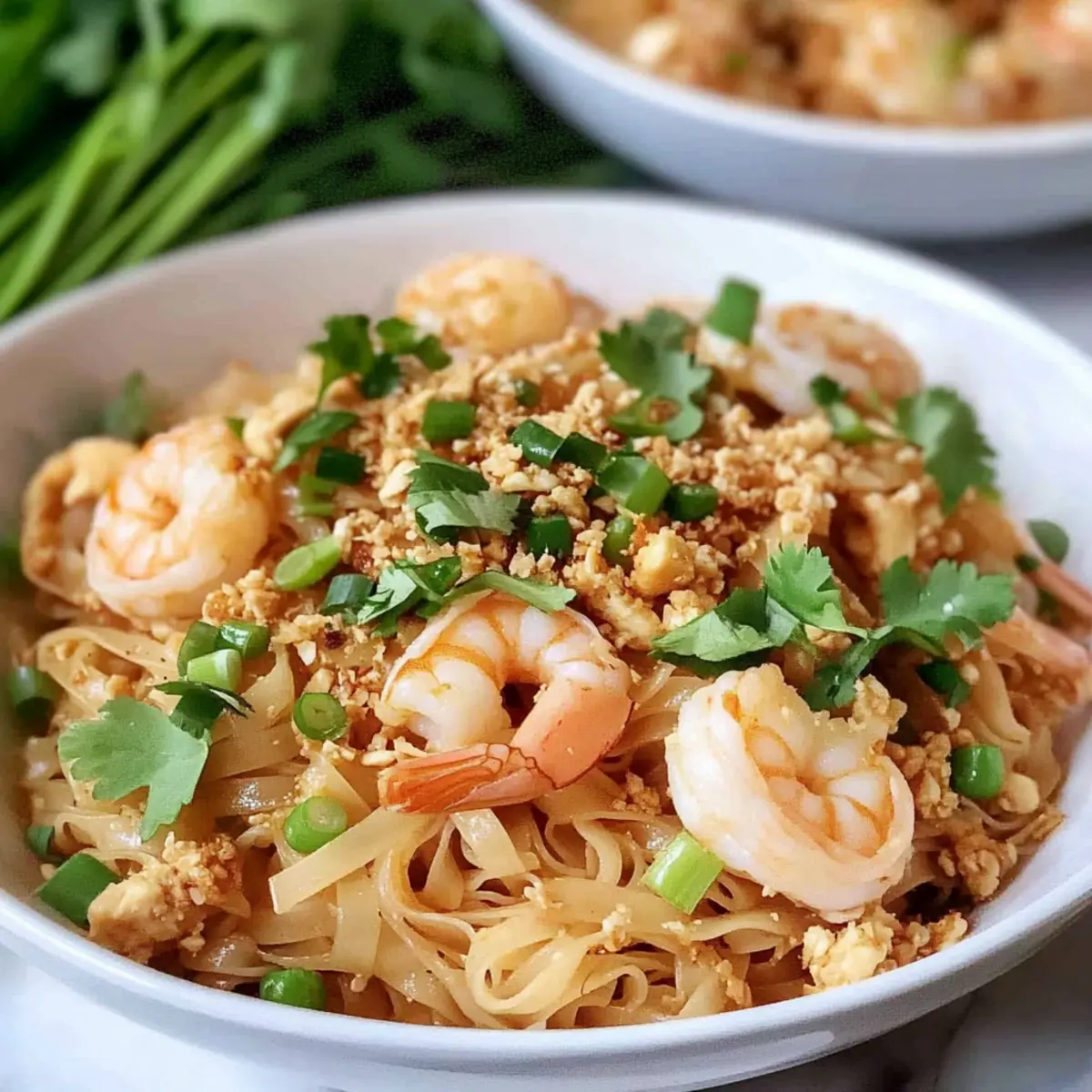
Why Choose Keto Pad Thai?
Flavor Explosion: This recipe is a delightful fusion of savory, sweet, and spicy notes that mimics the classic taste of Pad Thai, delivering satisfaction with every bite.
Quick Preparation: With just 25 minutes needed, it’s ideal for those hectic weeknights when time is of the essence but you still crave something homemade.
Versatility: Customize it effortlessly! Whether you choose shrimp, chicken, or veggies, try the shrimp option for a protein-packed version that your family will love.
Low-Carb Enjoyment: Indulge guilt-free with shirataki noodles, making it a perfect fit for your ketogenic lifestyle without sacrificing the comfort of traditional dishes.
Crowd-Pleasing: This dish garners rave reviews from friends and family alike, ensuring your dinner table is filled with happy faces! Serve alongside keto-friendly spring rolls for a complete experience.
Keto Pad Thai Ingredients
-
For the Sauce
-
Coconut Aminos – Adds umami flavor; substitute with soy sauce if not strictly soy-free.
-
Sesame Oil – Provides depth and nuttiness; use olive oil in a pinch.
-
Monk Fruit Sweetener – Sweetener for balance; can be replaced with erythritol or stevia.
-
Fresh Lime Juice – Brightens the dish with acidity; lemon juice can be an alternative.
-
Sriracha – Adds heat; adjust to taste or replace with chili paste.
-
Thai Red Curry Paste – Contributes authentic Thai flavor; consider a green curry paste substitution.
-
Fish Sauce – Enhances the dish’s savory flavor; can be avoided for a vegetarian version.
-
Creamy Peanut Butter – Adds richness; almond butter works as a nut-free swap.
-
For the Noodles
-
Shirataki Noodles – Low-carb noodle alternative; zucchini noodles or spaghetti squash can be used instead.
-
Coconut Oil – Used for sautéing; substitute for another cooking oil if desired.
-
For the Main Ingredients
-
Garlic (minced) – Provides aromatic flavor; fresh garlic is recommended for best taste.
-
Shrimp (peeled & deveined) – Main protein source; substitute with chicken or tofu for variations.
-
Eggs (lightly beaten) – Adds protein and texture; omit in vegan versions and use crumbled tofu instead.
-
For the Toppings
-
Bean Sprouts – Adds crunch; omit if unavailable.
-
Green Onions (diced) – Provides fresh flavor; use any available green herbs if onion is not preferred.
-
Fresh Cilantro Leaves – Enhances flavor with freshness; substitute with parsley if needed.
-
Unsalted Peanuts (chopped) – Offers crunch and nutty flavor; replace with sunflower seeds for a nut-free option.
Embrace the bold and comforting flavors of this Keto Pad Thai with these carefully selected ingredients, and prepare to enjoy a meal that feels indulgent yet aligns perfectly with your low-carb lifestyle!
Step‑by‑Step Instructions for Keto Pad Thai
Step 1: Prep the Sauce
In a small bowl, whisk together coconut aminos, sesame oil, monk fruit sweetener, fresh lime juice, sriracha, Thai red curry paste, fish sauce, and creamy peanut butter until smooth. This sauce is the heart of your Keto Pad Thai, so ensure it’s well combined and tasting balanced before setting it aside for later use.
Step 2: Cook Noodles
Bring a pot of salted water to a boil over high heat. Rinse the shirataki noodles thoroughly to eliminate any odor, then carefully add them to the boiling water. Cook for 2 minutes, allowing them to soften slightly. After cooking, drain the noodles well and set aside, ready to absorb all the delightful flavors of the dish.
Step 3: Sauté Shrimp
Heat a tablespoon of coconut oil in a large skillet over medium-high heat. Once the oil is shimmering but not smoking, add the minced garlic and sauté for about 30 seconds until fragrant. Next, introduce the peeled and deveined shrimp. Cook for approximately 1-2 minutes until they turn pink and opaque, indicating they are cooked through.
Step 4: Scramble Eggs
Push the cooked shrimp to one side of the skillet. Pour the lightly beaten eggs into the cleared space and allow them to cook for about 1-2 minutes. As they begin to set, scramble them gently using a spatula until fully cooked, resembling fluffy curds intermingled with the shrimp, creating a lovely texture in your Keto Pad Thai.
Step 5: Combine
Add the drained shirataki noodles and the prepared sauce into the skillet with the shrimp and eggs. Toss everything together using tongs or a spatula, ensuring the noodles are coated evenly with the sauce. Cook for an additional 2-3 minutes, or until everything is heated through and fragrant, creating a harmonious medley of flavors.
Step 6: Serve
Remove the skillet from heat and prepare to plate your delicious Keto Pad Thai. Divide the vibrant dish into bowls, then generously top with fresh bean sprouts, diced green onions, and cilantro leaves for a burst of flavor. Finally, sprinkle chopped unsalted peanuts over the top for a delightful crunch before serving this wholesome meal to your family.
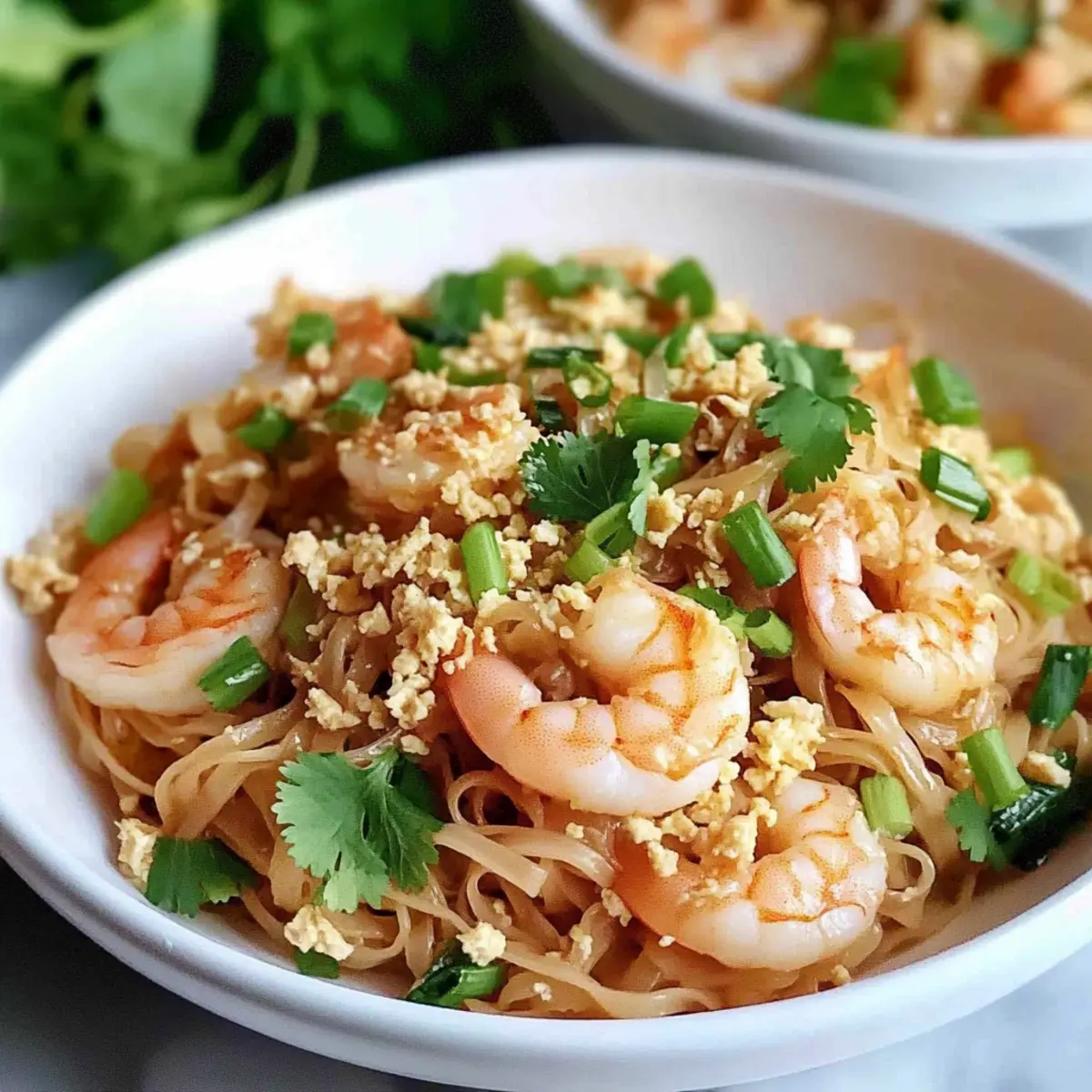
Keto Pad Thai Variations & Substitutions
Feel free to play with flavors and textures to make this your perfect dish!
-
Protein Swap: Use cubed chicken breast or tofu instead of shrimp for a lighter or vegetarian version. Each protein brings its own taste, complementing the rich sauce beautifully.
-
Vegetable Medley: Replace shrimp or chicken with mixed vegetables like bell peppers, carrots, and broccoli for a colorful twist. This variation is healthy and brimming with fresh crunch.
-
Noodle Alternative: For a different texture, swap shirataki noodles for zucchini noodles or spaghetti squash. Both options maintain low-carb counts while adding a lovely bite.
-
Nut-Free Option: Use sunflower seed butter instead of creamy peanut butter for a nut-free alternative that retains that rich flavor without the allergens. It’s a wonderful substitution!
-
Extra Spice: Want a fiery kick? Add extra sriracha or toss in some sliced bird’s eye chilies. Heat levels can easily be adjusted based on personal preference!
-
Dairy-Free Creaminess: If you want to introduce a creamy texture without milk, try adding a spoonful of coconut cream in the sauce. It adds richness and enhances the tropical flavor profile.
-
Savory Umami Boost: For deeper umami, drizzle in extra coconut aminos or sprinkle some miso paste. This little twist will elevate the base flavors, enhancing your overall experience dramatically.
-
Fresh Herbs Swap: If cilantro isn’t your thing, substitute with fresh parsley or basil as a delicious alternative, both adding vibrant freshness to your final dish.
If you want to explore even more delicious Thai flavors, you might find dishes like Thai Baked Chicken intriguing for your next family dinner — just a thought to keep the meal options exciting!
What to Serve with Keto Pad Thai
Enhance your meal experience with delightful accompaniments that complement the vibrant flavors of your dish.
-
Thai Spring Rolls: These light and fresh rolls provide a crunchy contrast, filled with crisp vegetables and served with a zesty dipping sauce. They bring a refreshing taste to your plate.
-
Coconut Cauliflower Rice: This creamy and low-carb alternative offers a subtle coconut flavor that pairs beautifully with the spiciness of the Pad Thai. It absorbs the sauce perfectly, creating a unified meal.
-
Zesty Cucumber Salad: Crisp cucumbers tossed in rice vinegar and sesame oil add a tangy refreshment, balancing the savory Pad Thai. This salad stimulates your taste buds, adding a crunch in each bite.
-
Avocado Slices: Creamy avocado slices bring a buttery texture to your meal, complementing the dish’s robust flavors. They also add a nutritious kick that’s great for any diet!
-
Lime Wedges: Adding a squeeze of fresh lime enhances the dish’s acidity and brightness, heightening all the flavors. This little touch can make your keto feast even more invigorating.
-
Iced Green Tea: A refreshing drink that cleanses the palate between bites; its light grassy notes harmonize well with the Pad Thai, providing a soothing experience.
-
Chia Seed Pudding: For a sweet finish, enjoy a creamy chia seed pudding topped with fresh berries. This dessert is a delightful contrast to the spicy Pad Thai while remaining keto-friendly.
Expert Tips for Keto Pad Thai
-
Rinse Properly: Rinse shirataki noodles thoroughly before cooking to eliminate any odor and enhance their flavor absorption.
-
Customize Proteins: Feel free to swap shrimp for chicken or tofu. Just remember to adjust cooking times to ensure everything is cooked thoroughly.
-
Sauce Balance: Taste your sauce before adding it to the dish. Adjust seasonings as needed to achieve your preferred balance of sweet, salty, and spicy flavors in your Keto Pad Thai.
-
Cooked Noodles: Don’t overcook the shirataki noodles; they should only be heated through with the rest of the dish to maintain their chewy texture.
-
Fresh Toppings: Enhance your dish by generously adding fresh toppings like bean sprouts and cilantro right before serving for a satisfying crunch and flavor burst.
How to Store and Freeze Keto Pad Thai
Fridge: Store any leftovers in an airtight container for up to 2 days. Reheat gently in a skillet or microwave, adding a splash of water if needed to maintain moisture.
Freezer: This Keto Pad Thai can be frozen for up to 2 months. Place it in a freezer-safe container, allowing some space for expansion. Thaw overnight in the fridge before reheating.
Reheating: For best results, reheat on the stovetop over medium heat, stirring frequently until heated through. This method helps revive the textures of the shirataki noodles.
Preparation Tips: The sauce can be prepared up to 5 days in advance and stored in the fridge, making meals even easier when you want to whip up your Keto Pad Thai.
Make Ahead Options
These Keto Pad Thai ingredients are perfect for meal prep, allowing you to enjoy a delicious homemade dish with ease. You can prepare the sauce up to 5 days in advance; simply whisk together coconut aminos, sesame oil, monk fruit sweetener, lime juice, sriracha, red curry paste, fish sauce, and peanut butter, then store it in an airtight container in the refrigerator. The shirataki noodles can be rinsed and prepped a day ahead as well. When ready to serve, just sauté your shrimp (or chosen protein) and scramble the eggs, before combining everything with the prepped sauce and noodles. With this approach, you’ll have a wholesome dinner ready in under 10 minutes!
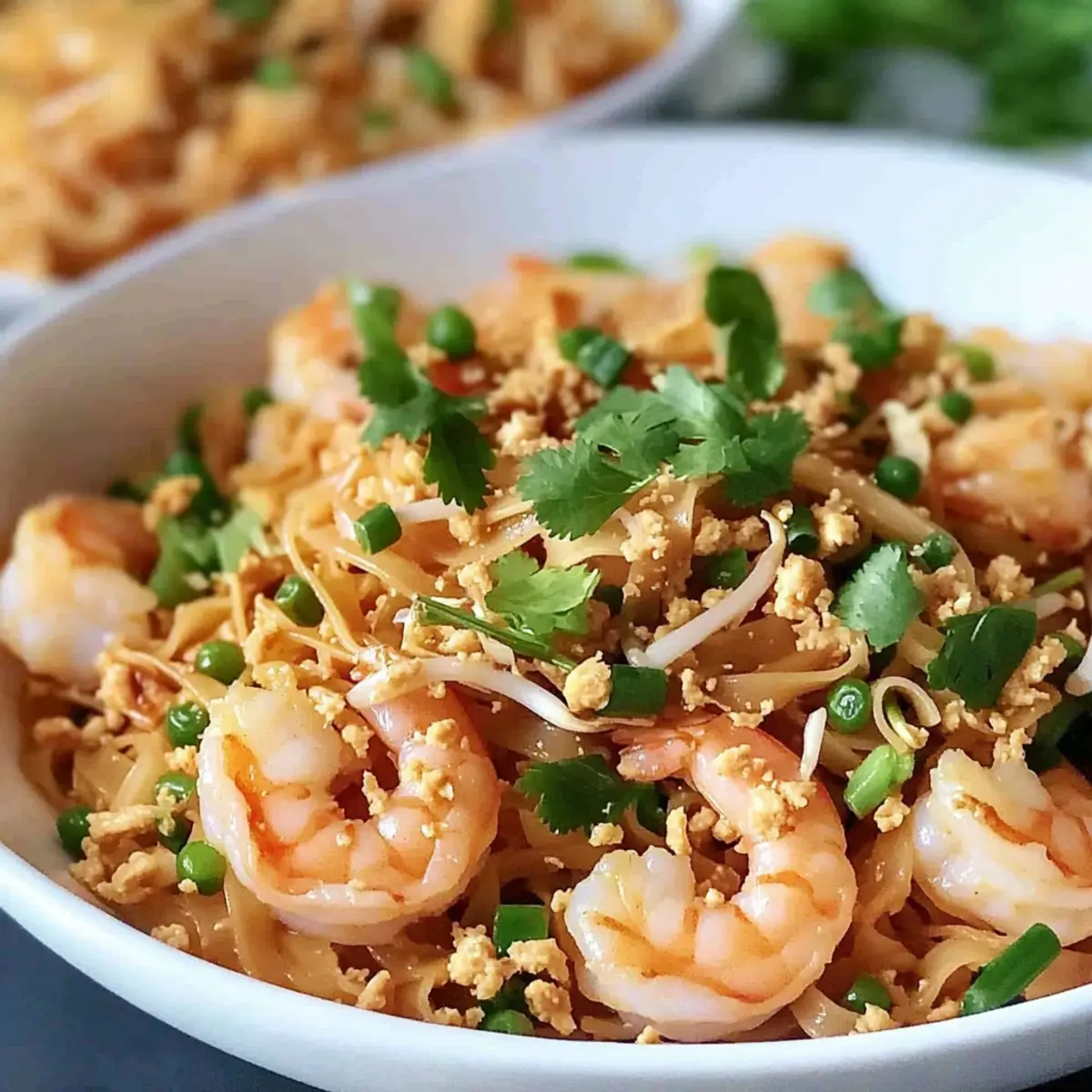
Keto Pad Thai Recipe FAQs
How do I select the right shirataki noodles for my Keto Pad Thai?
Absolutely! When choosing shirataki noodles, look for those with a clean, mild scent and minimal excess water in the packaging. Drain and rinse them thoroughly in a colander to eliminate any odor and enhance their ability to absorb flavors. Trust me, this step is crucial for a delicious dish!
What is the best way to store leftovers of Keto Pad Thai?
Very! After enjoying your meal, cool the leftovers to room temperature and transfer them to an airtight container. They can be stored in the fridge for up to 2 days. When ready to eat, just reheat gently on the stovetop or in the microwave, adding a splash of water to keep the noodles moist.
Can I freeze Keto Pad Thai, and if so, how?
Of course! To freeze your Keto Pad Thai, let it cool completely. Pack it in a freezer-safe container, leaving some room for expansion. It can be frozen for up to 2 months. When you’re ready to enjoy it again, thaw it overnight in the refrigerator and reheat on the stovetop over medium heat, stirring occasionally to ensure even warming.
What should I do if my Keto Pad Thai sauce is too thick?
If you find your sauce thickening too much during cooking, simply add a small amount of water, coconut aminos, or lime juice to thin it out. Mix well until the desired consistency is achieved. Taste and adjust the seasoning if necessary, keeping that balance of flavors just right!
Are there any dietary considerations for pets or allergies with this recipe?
Absolutely! This Keto Pad Thai recipe incorporates ingredients that are safe for many diets, but be cautious with toppings like peanuts, as many people have nut allergies. If preparing for someone with allergies or pets, avoid common allergens and consider alternatives—like sunflower seeds instead of peanuts for crunch.
Can I make Keto Pad Thai vegan?
Yes! To create a vegan version, simply replace the shrimp with tofu and omit the eggs, substituting with crumbled firm tofu to maintain protein content. The sauce remains the same, ensuring all those savory, sweet, and spicy flavors shine through. Enjoy your delightful dish!
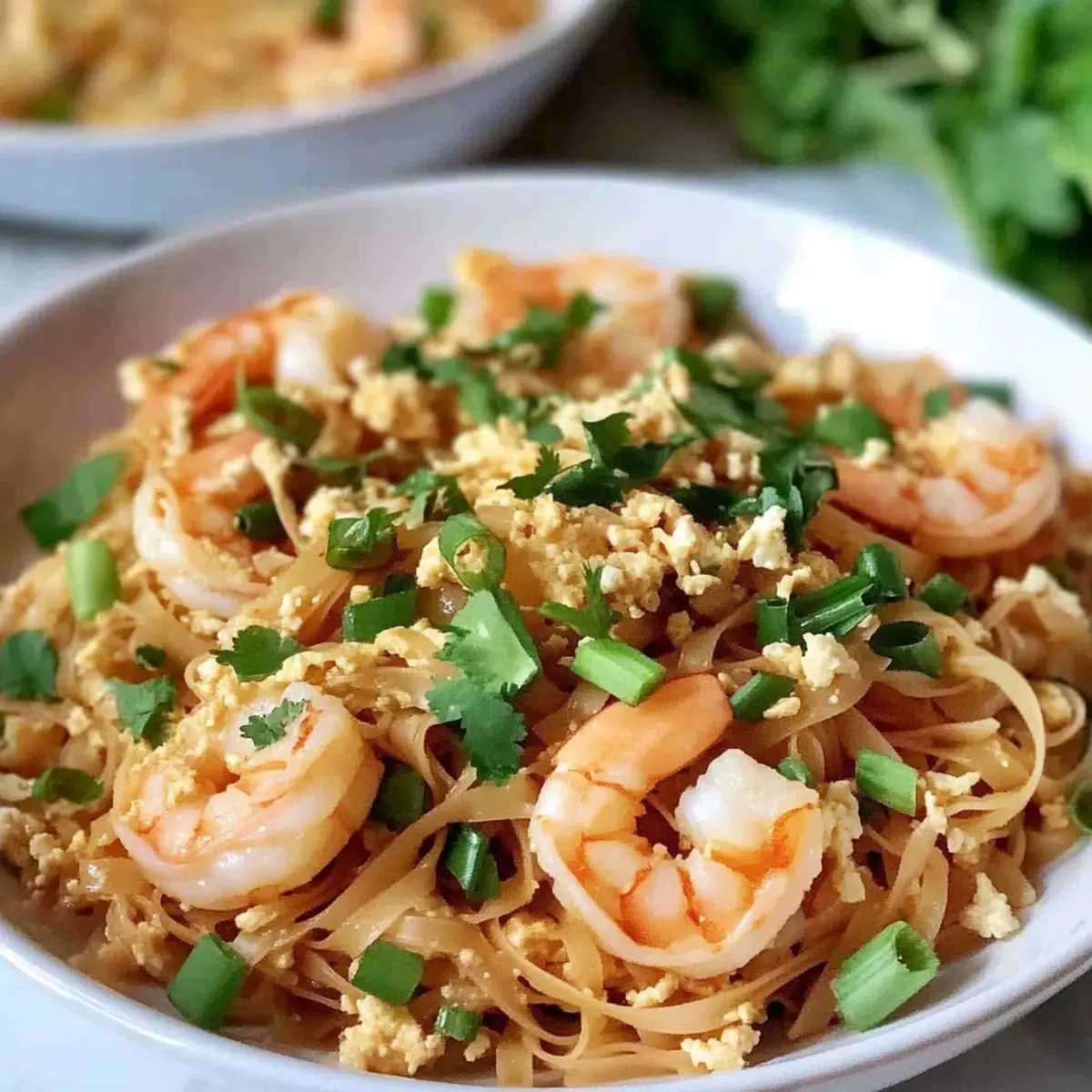
Keto Pad Thai That’s Deliciously Low Carb and Quick to Make
Ingredients
Equipment
Method
- In a small bowl, whisk together coconut aminos, sesame oil, monk fruit sweetener, fresh lime juice, sriracha, Thai red curry paste, fish sauce, and creamy peanut butter until smooth.
- Bring a pot of salted water to a boil, rinse the shirataki noodles, and cook for 2 minutes. Drain and set aside.
- Heat coconut oil in a large skillet over medium-high heat. Add minced garlic and sauté for about 30 seconds. Then add shrimp and cook for 1-2 minutes until pink.
- Push shrimp to one side of the skillet, pour in the beaten eggs, and scramble until fully cooked.
- Add drained shirataki noodles and prepared sauce into the skillet. Toss everything together and cook for an additional 2-3 minutes.
- Remove from heat and plate the dish. Top with bean sprouts, green onions, and cilantro, and sprinkle with peanuts before serving.
Leave a Reply