
As I stood in my kitchen, the aromatic scent of Thai basil filled the air, transporting me to the vibrant streets of Bangkok. This Thai Basil Pesto is my go-to recipe, a delightful blend that brings an Asian twist to the classic Italian favorite. With its gluten-free ingredients and rapid 10-minute prep time, it’s an ideal solution for those of us who crave homemade flavors without spending hours at the stove. The fusion of crunchy peanuts and a touch of heat from fresh chilies creates a uniquely rich and vibrant sauce that pairs beautifully with rice noodles, grilled chicken, or even spicy shrimp. Are you ready to elevate your meals with this bold and exciting sauce? Let’s dive in!
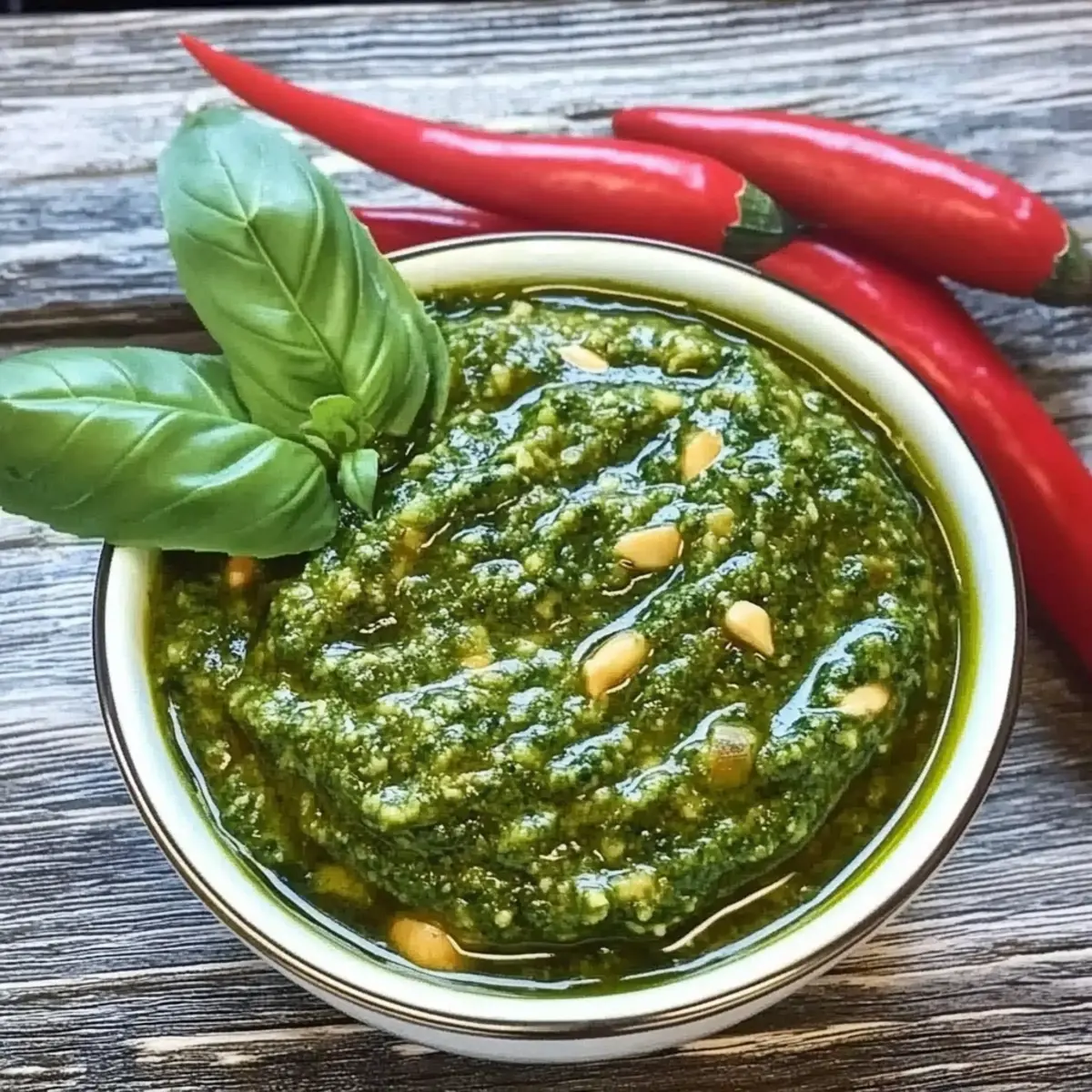
Why is Thai Basil Pesto a Must-Try?
Bursting with Flavor: This Thai Basil Pesto offers a delightful twist on a classic, combining the unique flavors of Thai basil and crunchy peanuts.
Quick & Easy: In just 10 minutes, you can whip up this vibrant sauce, making it perfect for busy weeknights when you want something homemade yet fast.
Gluten-Free Goodness: Embrace flavors without worries after a long day; this recipe is gluten-free, allowing everyone to savor its deliciousness.
Versatility at Its Best: Whether drizzled over rice noodles, used as a marinade for grilled chicken, or paired with spicy shrimp, it elevates any dish!
Exciting Ingredient Variation: Feel free to experiment with other nuts like cashews or walnuts for new flavor profiles or toss in a bit of cilantro for a fresh twist.
Discover more quick recipes like Thai Baked Chicken that can easily complement this pesto!
Thai Basil Pesto Ingredients
For the Pesto
• Thai Basil – This herb gives the pesto its distinctive flavor; you can substitute it with sweet basil if needed but use extra for a stronger taste.
• Jalapeno (or other hot chili) – Adds a spicy kick; remove seeds for a milder sauce or swap with cayenne pepper for a different heat.
• Garlic – Use fresh garlic for the best aroma and flavor; avoid powdered varieties to keep the taste vibrant.
• Green Onions – These provide mild onion notes; chop finely for even distribution in the pesto.
• Dry Roasted Peanuts – They contribute a crunchy texture and rich flavor; cashews or walnuts can be used instead if desired.
• Oyster Sauce (or Gluten-Free Oyster Sauce) – This adds a savory umami taste; make sure to choose gluten-free if needed.
• Soy Sauce (or Gluten-Free Soy Sauce) – Enhances the sauce’s umami; tamari is a great gluten-free substitute.
• Fish Sauce – Use sparingly, as it imparts a strong salty flavor that enhances the overall taste.
• Packed Brown Sugar – Balances spiciness and saltiness; it’s optional but recommended for depth of flavor.
• Vegetable Oil – Acts as the base for the pesto; any mild-flavored oil can be swapped if preferred.
• Sesame Oil – Essential for its nutty flavor and aroma, so it’s best not to substitute this ingredient.
For Serving
• Rice Noodles – Serve as a gluten-free alternative to traditional pasta; cook according to package instructions for the best texture.
Step‑by‑Step Instructions for Thai Basil Pesto
Step 1: Chop Peanuts and Garlic
Begin by placing the dry roasted peanuts and fresh garlic cloves into a food processor. Pulse the mixture for about 10-15 seconds until the peanuts are coarsely chopped, and the garlic is finely minced. Ensure to scrape down the sides of the bowl for even blending. This initial step lays the flavorful foundation for your Thai Basil Pesto.
Step 2: Add the Remaining Ingredients
Next, add the Thai basil leaves, jalapeno (seeds removed for milder flavor), green onions, oyster sauce, soy sauce, fish sauce, and packed brown sugar to the food processor. Pulse the mixture again for 20-30 seconds until all the ingredients are well combined. You should see a vibrant green paste forming, infused with aromatic herbs and spices.
Step 3: Incorporate Oils for Texture
With the food processor running, slowly stream in the vegetable oil and sesame oil over the top of the mixture. Continue processing for another 20-30 seconds until the pesto becomes a thick, smooth paste. The oils will help emulsify the flavors, resulting in a rich and creamy texture for your Thai Basil Pesto.
Step 4: Adjust Seasoning and Consistency
Taste your pesto and adjust as necessary by adding more salt, fish sauce, or sugar to achieve your desired flavor balance. If the consistency is too thick, you can add a splash more of the vegetable oil to loosen it up. Pulse for an additional 10 seconds to incorporate any adjustments.
Step 5: Combine with Rice Noodles
Once satisfied with your Thai Basil Pesto, prepare the rice noodles according to the package instructions. When they are cooked and warm, transfer them into a large mixing bowl. Spoon the prepared pesto over the noodles, tossing gently to coat them evenly, ensuring every bite is packed with flavor.
Step 6: Serve and Enjoy
Your Thai Basil Pesto noodles are now ready to be served! Transfer them onto plates and you can garnish with additional chopped peanuts or fresh basil. This vibrant dish not only looks appealing but also offers an exciting twist on traditional pasta, perfect for any meal.
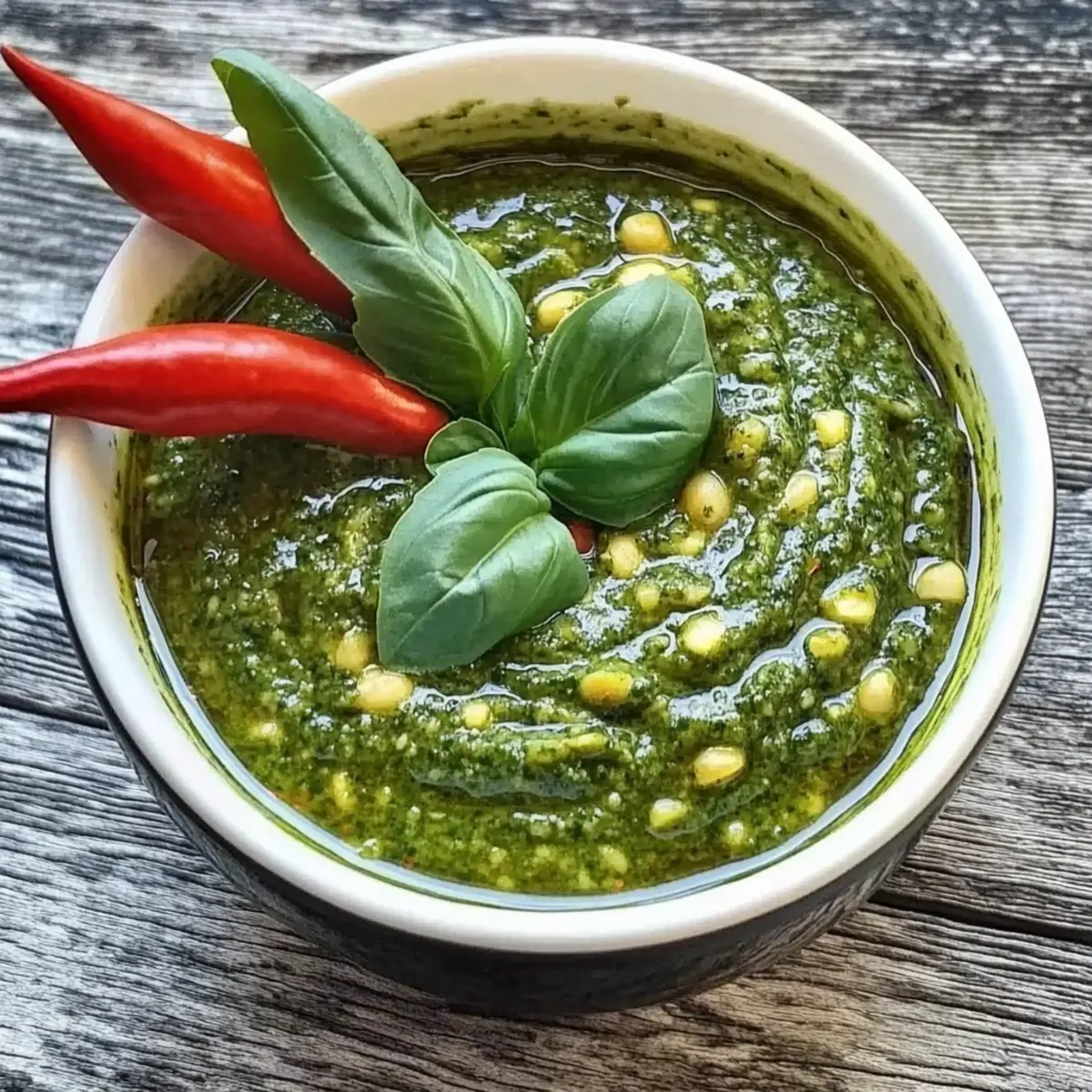
Make Ahead Options
These Thai Basil Pesto noodles are perfect for busy weeknights and can be prepped in advance to save time! You can prepare the pesto itself up to 3 days ahead of time. Simply blend all the ingredients as instructed, then store the pesto in an airtight container in the fridge, ensuring to cover the surface with a thin layer of olive oil to prevent browning. When you’re ready to serve, cook your rice noodles as directed, and toss them with the fresh pesto. This method keeps your meal just as delicious while letting you spend less time in the kitchen during the week. Enjoy effortless homemade flavors at your fingertips!
What to Serve with Thai Basil Pesto
Transform your Thai Basil Pesto into a delightful meal with these tasty pairings!
-
Grilled Chicken: This savory option absorbs the pesto’s vibrant flavors, creating a juicy, flavorful dish that everyone will love.
-
Rice Noodles: The gluten-free choice offers a perfect base, allowing the rich, aromatic pesto to shine and coat every noodle.
-
Spicy Shrimp: Seared shrimp elevate the dish with their natural sweetness, beautifully balanced by the boldness of the pesto.
-
Stir-Fried Vegetables: Brightly colored, crisp veggies add texture and freshness, complementing the rich notes of the Thai Basil Pesto perfectly.
-
Coconut Rice: The creamy, sweet richness of coconut rice pairs wonderfully, creating a harmonious blend of flavors on your plate.
-
Mango Salad: A refreshing, fruity salad offers a contrast that brightens the meal, enhancing the pesto’s nutty characteristics.
With these delicious options, you’ll create a full meal bursting with flavor and variety!
Expert Tips for Thai Basil Pesto
• Use Fresh Ingredients: Fresh Thai basil and garlic elevate the flavor significantly; avoid any wilted herbs or old garlic for the best results.
• Adjust Heat Levels: Modify the number of jalapeños based on your spice preference; keeping seeds will make the pesto hotter—do it carefully!
• Texture Matters: For a creamier pesto, process the mixture longer until smooth; don’t rush—take your time for the best Thai Basil Pesto experience.
• Taste as You Go: Always taste your pesto during preparation; tweak salt or sugar levels to cater to your personal palate preferences for balance.
• Experiment Wisely: Feel free to swap peanuts with cashews or add cilantro for a new flavor twist, but maintain key ingredients for the essence of Thai Basil Pesto.
Thai Basil Pesto Variations & Substitutions
Feel free to make this Thai Basil Pesto your own with these fun and creative adjustments!
-
Nut-Free: Use sunflower seeds instead of peanuts for a crunchy, allergen-friendly alternative. Sunflower seeds offer a delightful nutty flavor while keeping it safe for school lunches.
-
Herb Swap: Try cilantro instead of basil for a fresh, zesty twist. This change will take you on a flavor adventure, reminiscent of your favorite salsa!
-
Dairy Option: Add grated Parmesan cheese for a creamy richness; just be mindful of gluten-free diets. If you decide to go cheesy, the meld of savory flavors will be truly comforting.
-
More Heat: Double up on the jalapeño or throw in a dash of red pepper flakes for an extra kick. That extra spice will elevate this already zesty sauce to an exciting new level.
-
Creamy Pesto: Blend in some avocado for a creamy twist that adds healthy fats. This will create a luscious pesto that feels indulgent while offering vibrant nutrition.
-
Sweet & Savory: Add a tablespoon of honey in addition to the brown sugar for an unexpected layer of sweetness. This subtle change will beautifully mellow out the rich, savory dynamics.
-
Vegetable Boost: Incorporate spinach or kale for added nutrition and a vibrant color contrast. They will blend seamlessly into the pesto, providing a nutrient-rich twist!
-
Alternative Sauces: Swap the oyster sauce with hoisin for a sweeter, deeper flavor profile without losing the magic. It’ll give a modern twist reminiscent of Asian takeout favorites.
For even more inspiration, pair this pesto with delightful recipes, such as Thai Baked Chicken or toss it into your next stir-fry for an easy weeknight meal!
How to Store and Freeze Thai Basil Pesto
Fridge: Keep your Thai Basil Pesto in an airtight container for up to one week. The vibrant flavors will remain intact, allowing you to enjoy them for days.
Freezer: For longer storage, freeze your pesto in ice cube trays or small containers. This way, you can easily access single portions for later use, maintaining freshness for up to 3 months.
Reheating: When ready to use frozen pesto, simply thaw overnight in the fridge or microwave in short intervals until warmed through.
Airtight Guidance: Always ensure your storage containers are airtight to prevent oxidation, preserving that delicious, aromatic quality of your pesto dish!
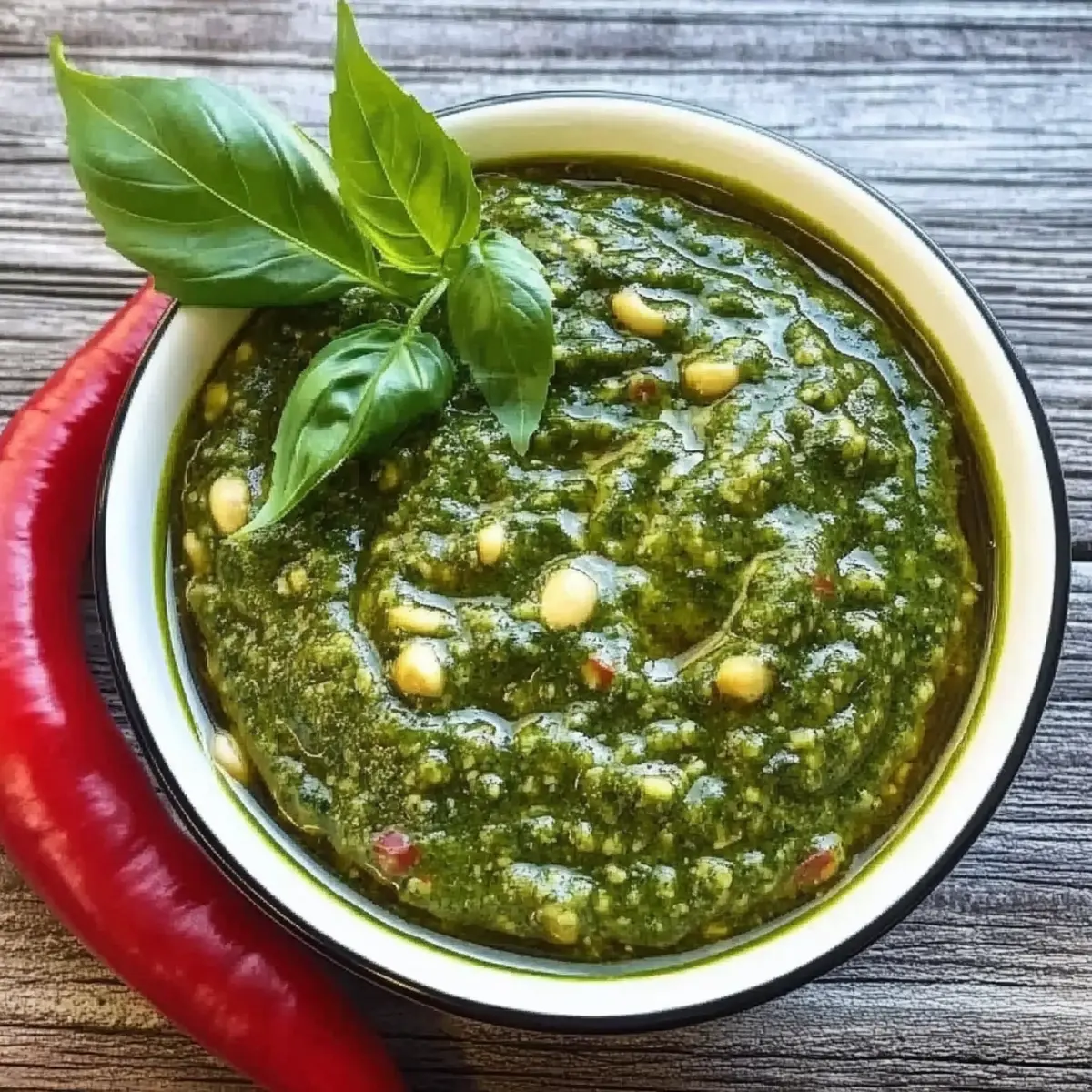
Thai Basil Pesto Recipe FAQs
What type of Thai basil should I use?
For the best flavor in your Thai Basil Pesto, use fresh Thai basil, which has a more aromatic and fragrant profile than regular sweet basil. If you can’t find Thai basil, sweet basil can be used as a substitute; however, you might want to increase the amount slightly to maintain the flavor intensity.
How should I store leftover Thai Basil Pesto?
You can store your Thai Basil Pesto in an airtight container in the refrigerator for up to one week. Make sure to keep it sealed to keep its vibrant flavors fresh. If you want to keep it longer, consider freezing it!
How can I freeze Thai Basil Pesto?
Absolutely! To freeze your Thai Basil Pesto, scoop it into ice cube trays or small airtight containers. Once frozen, transfer the cubes to a freezer bag, ensuring to label them with the date. This way, you can enjoy single portions over the next 3 months! When ready to use, thaw in the fridge overnight or microwave in short intervals until warmed through.
What should I do if my pesto is too thick?
If your Thai Basil Pesto turns out too thick, fear not! Simply add a little more vegetable oil, a tablespoon at a time, while blending until you reach the desired consistency. Alternatively, you could also mix in a splash of water for a lighter texture without losing flavor!
Can pets eat Thai Basil?
Very! Thai basil is generally safe for pets in moderation. However, avoid using ingredients harmful to pets like garlic or onion in those portions. If you’re planning to share with your furry friends, ensure all ingredients are pet-friendly! Always consult your veterinarian if unsure about specific dietary needs.
Is this recipe suitable for those with gluten allergies?
Yes, indeed! This Thai Basil Pesto recipe is gluten-free, especially if you use gluten-free soy sauce and oyster sauce. Ensure all other ingredients are checked for gluten content to make this dish suitable for those avoiding gluten.
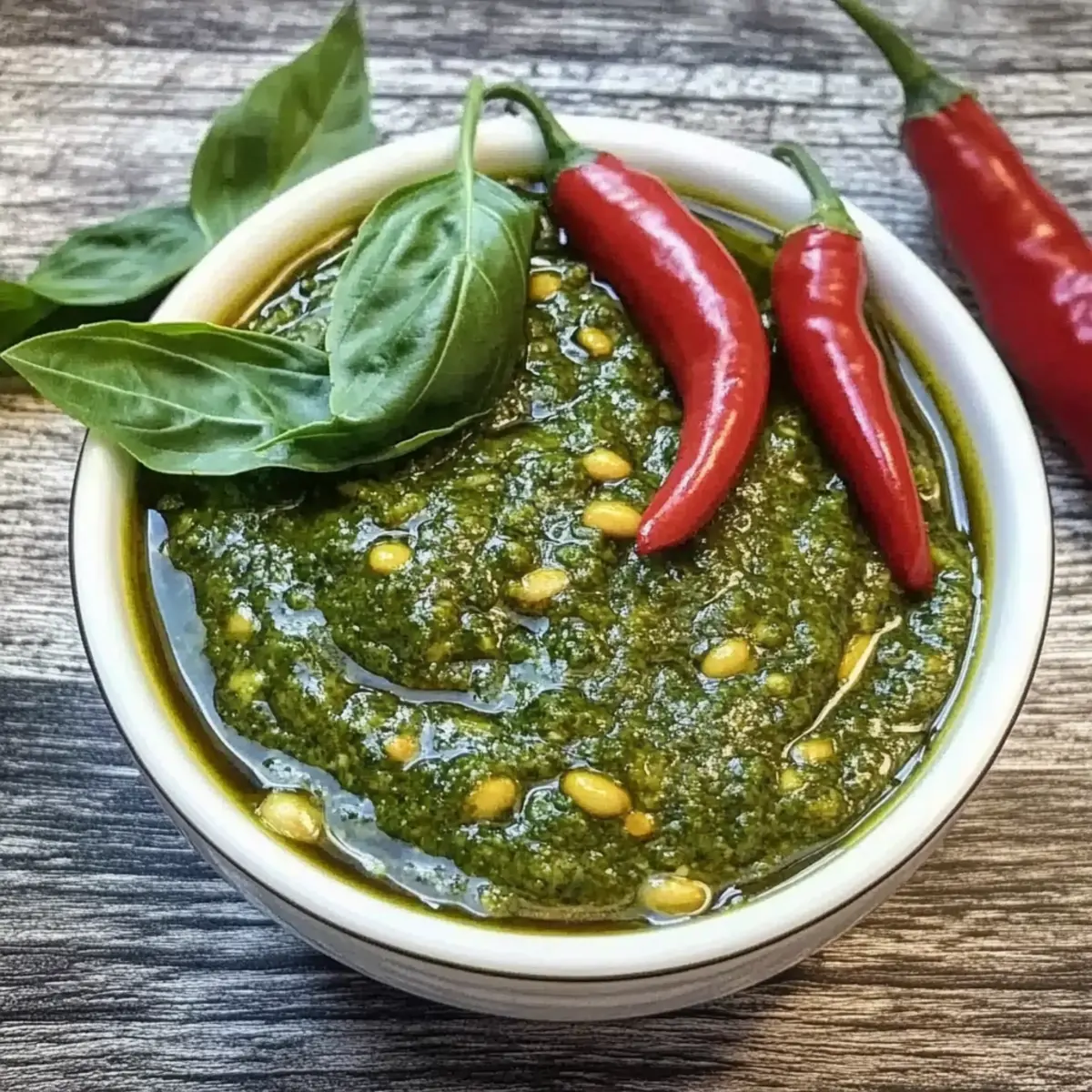
Thai Basil Pesto: A Vibrant Twist for Your Noodles!
Ingredients
Equipment
Method
- Chop the dry roasted peanuts and fresh garlic in a food processor for 10-15 seconds until coarsely chopped.
- Add Thai basil, jalapeno, green onions, oyster sauce, soy sauce, fish sauce, and brown sugar. Pulse for 20-30 seconds.
- With the processor running, stream in vegetable and sesame oil until thick and creamy.
- Taste and adjust seasoning as desired. Add more oil if consistency is too thick.
- Cook rice noodles according to package instructions, then mix with the pesto.
- Serve garnished with chopped peanuts or fresh basil.
Leave a Reply