
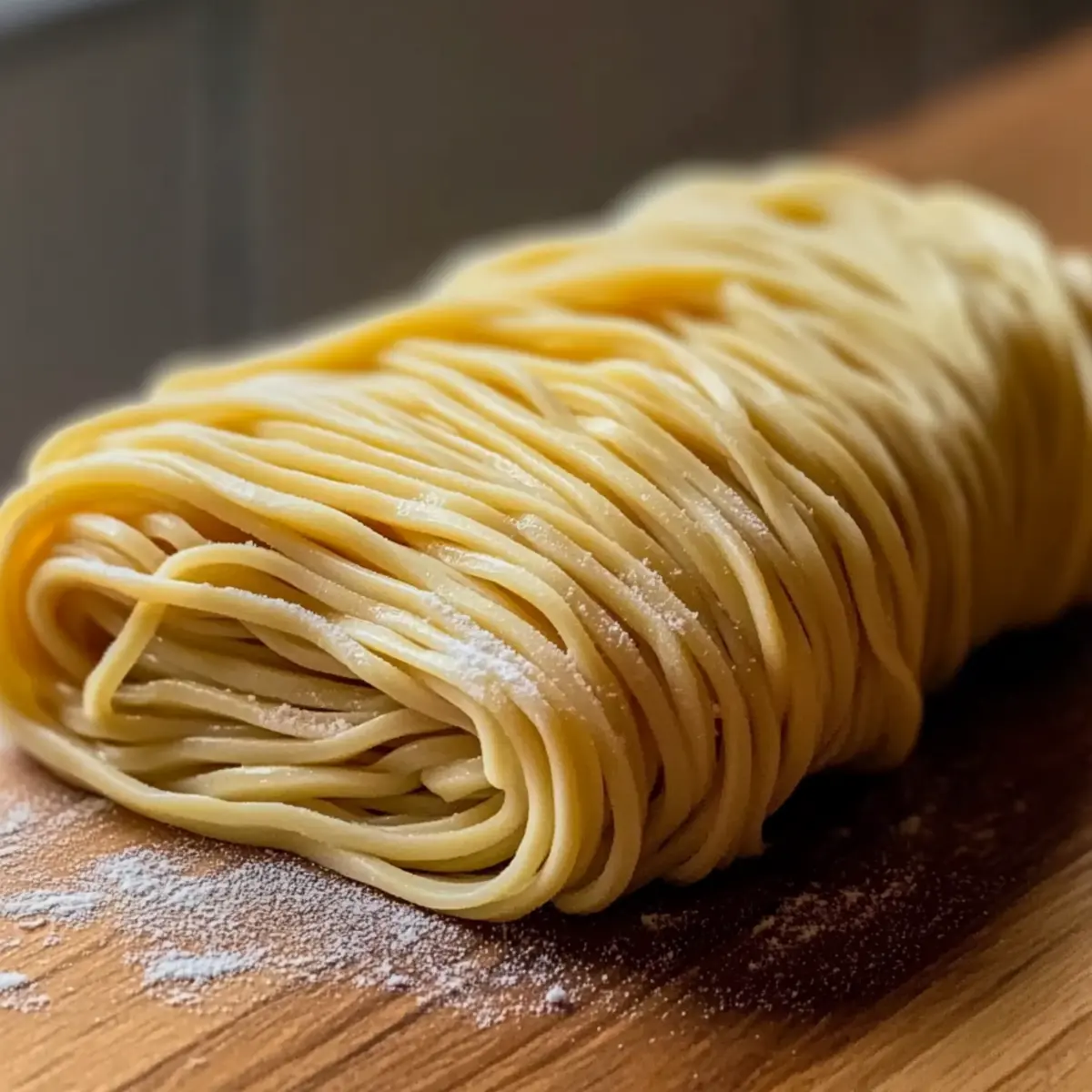
As I rolled out the dough, the familiar scent of flour filled my kitchen, transporting me to a cozy little ramen shop tucked away in Tokyo. Making these Homemade Ramen Noodles is not just an act of cooking; it’s a journey into the heart of Japanese cuisine right from my home. What I love most about this recipe is how quick and easy it is, turning an ordinary night into something special with fresh, customizable ingredients. By swapping store-bought noodles for this healthier alternative, you’ll feel good feeding your family a meal free from preservatives. From warm, comforting ramen bowls to vibrant cold noodle salads, the possibilities are endless. Ready to dive into this culinary adventure? Let’s bring the taste of Japan to your table!
Why Make Homemade Ramen Noodles?
Freshly Made: Enjoy the satisfaction of crafting your own noodles, elevating any meal with a personal touch.
Customizable Delight: Tailor the flavors and toppings to suit your family’s tastes, making every bowl unique!
Healthier Choice: Ditch the preservatives found in store-bought varieties for a wholesome alternative that you can feel good about.
Versatile Options: Use your homemade noodles in ramen bowls, vibrant stir-fry dishes, or refreshing cold salads—each bite celebrates the art of homemade cooking. Try pairing them with a rich broth for a classic experience or mix them into a colorful stir-fry with your favorite vegetables!
Homemade Ramen Noodles Recipe Ingredients
• Get ready to create delightful noodles!
For the Noodles
- All-Purpose Flour – This is the primary structure for your noodles; substituting with whole wheat flour gives a denser texture but may need adjusted water.
- Baking Soda – Essential for mimicking the alkaline properties of kansui, contributing to the classic ramen flavor and color.
- Water – Hydrates and binds your ingredients; using room-temperature water achieves the best consistency.
For the Toppings
- Scallions – Chop finely to sprinkle on top for a fresh, savory crunch that brightens each bowl of homemade ramen noodles.
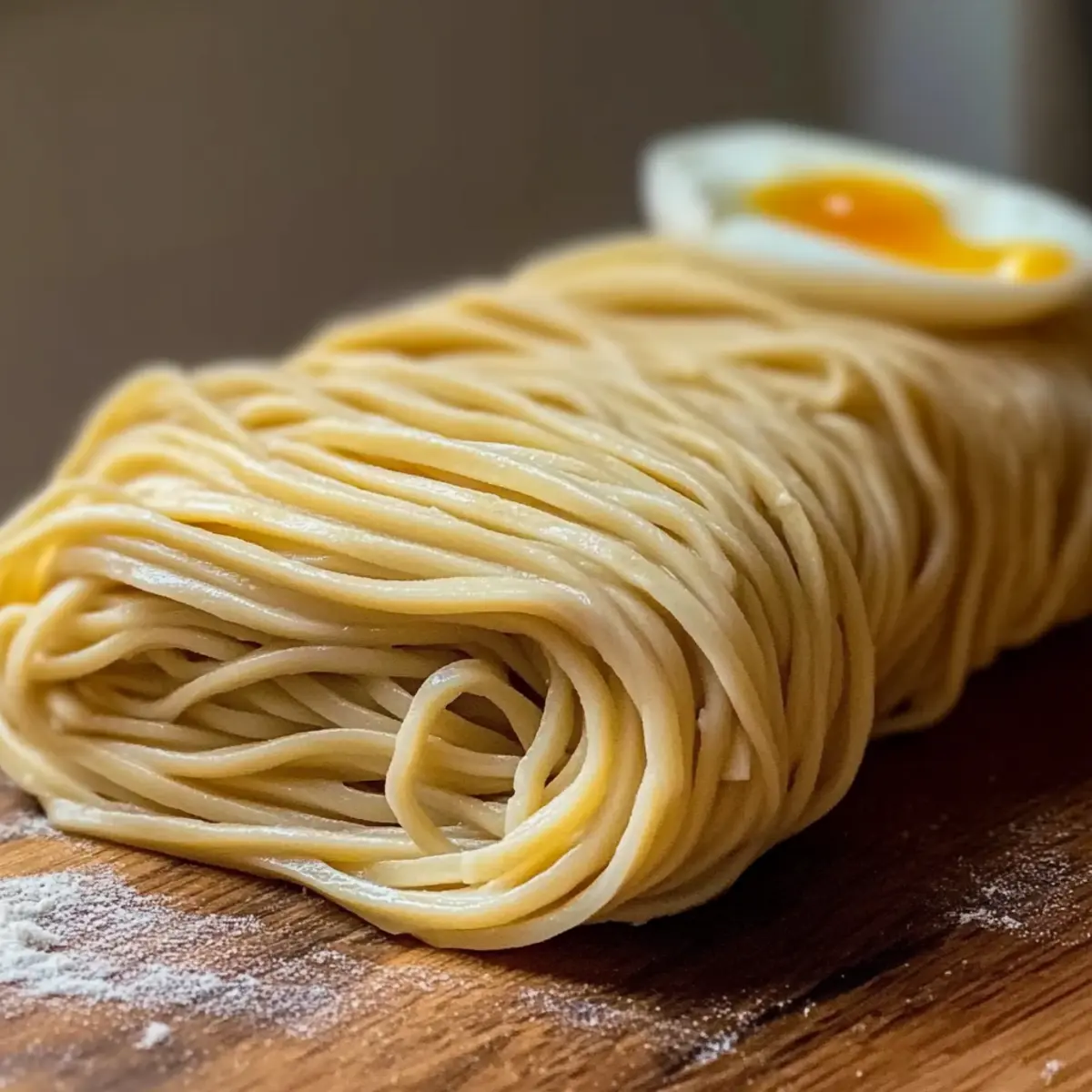
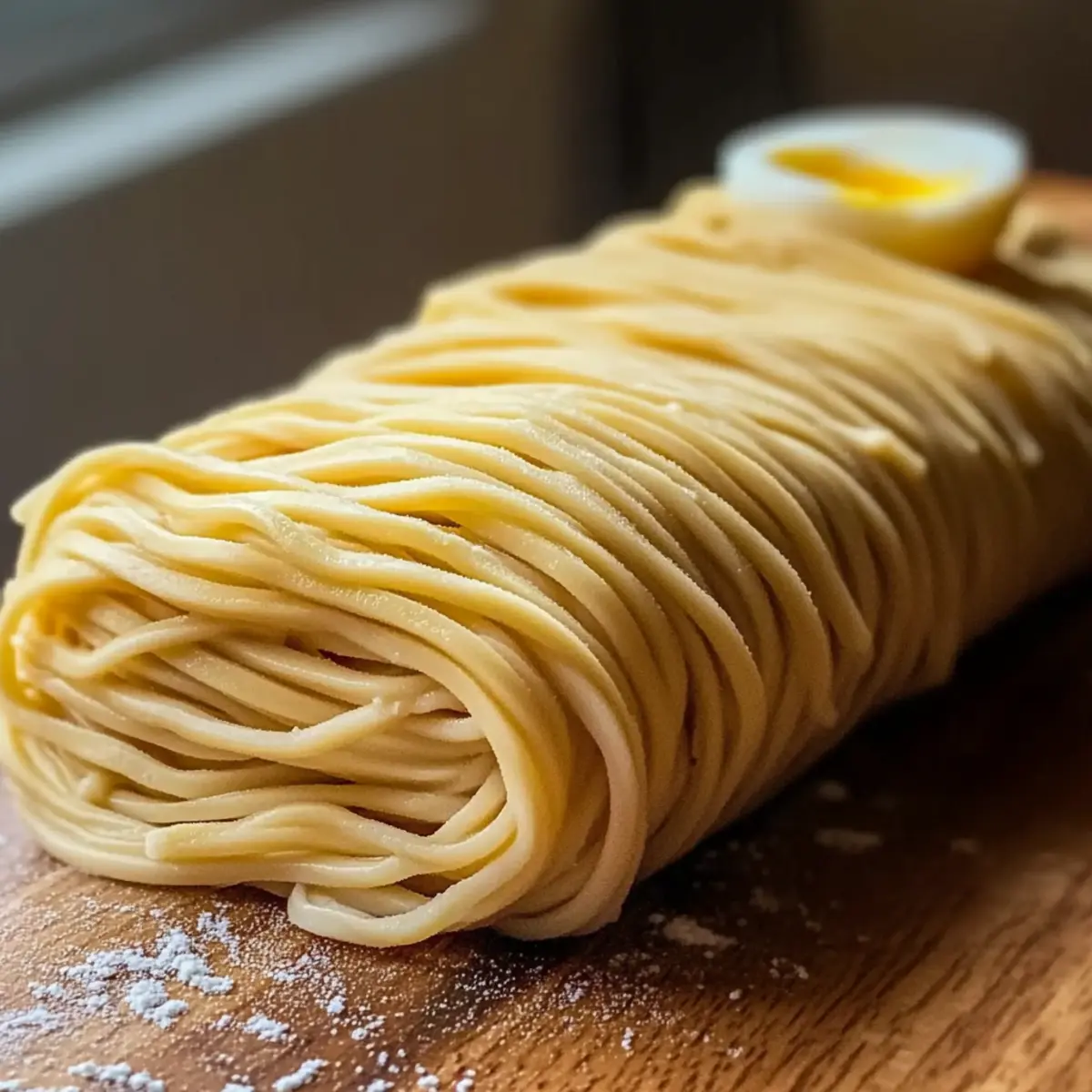
- Soft-Boiled Eggs – Cooked to perfection, these add a creamy richness; try marinating them in soy sauce for an extra layer of flavor.
- Your Choice of Protein – Chicken, pork, tofu, or shrimp work beautifully, providing sustenance and elevating your ramen experience.
- Fresh Vegetables – Add bean sprouts, corn, slices of mushroom, or bok choy for a vibrant, nutrient-packed boost — the more, the merrier!
Embrace the joy of crafting your own Homemade Ramen Noodles Recipe to enhance any dish with fresh, wholesome ingredients!
Step‑by‑Step Instructions for Homemade Ramen Noodles Recipe
Step 1: Prepare the Dough
In a large mixing bowl, combine all-purpose flour and baking soda thoroughly, ensuring even distribution. Gradually add room-temperature water, mixing until it starts to clump together. Aim for a shaggy mass after about 3 minutes of mixing. Once combined, transfer the mixture to a floured surface where you can continue to work it into a cohesive dough.
Step 2: Knead the Dough
Knead the dough for about 10 minutes to develop its elasticity, using the heel of your hand to push and fold it consistently. You should aim for a smooth and slightly tacky texture. When finished, the dough should hold its shape when pinched; this indicates it’s ready for the next step in your homemade ramen noodles recipe.
Step 3: Rest the Dough
Wrap the kneaded dough in plastic wrap or cover it with a kitchen towel, allowing it to rest for at least 30 minutes at room temperature. This resting period relaxes the gluten, making it easier to roll out later. You can use this time to prepare your toppings or broth, ensuring a delicious bowl when the noodles are ready.
Step 4: Roll and Cut the Noodles
Once rested, divide the dough into manageable portions. Use a floured rolling pin or a pasta machine to roll out the dough thinly to about 1/16 inch. Carefully cut into your desired noodle shape using a sharp knife or a pasta cutter. The homemade ramen noodles should be uniform in width for even cooking; dust them with cornstarch to prevent sticking.
Step 5: Cook the Noodles
Bring a large pot of salted water to a roaring boil, adding the freshly cut noodles. Cook for about 2-3 minutes, stirring gently to avoid clumping, until al dente. The noodles are done when they appear slightly translucent and firm to the bite. Once cooked, immediately drain and rinse the noodles under cold water to stop the cooking process, ensuring they maintain their perfect texture.
Step 6: Serve Your Noodles
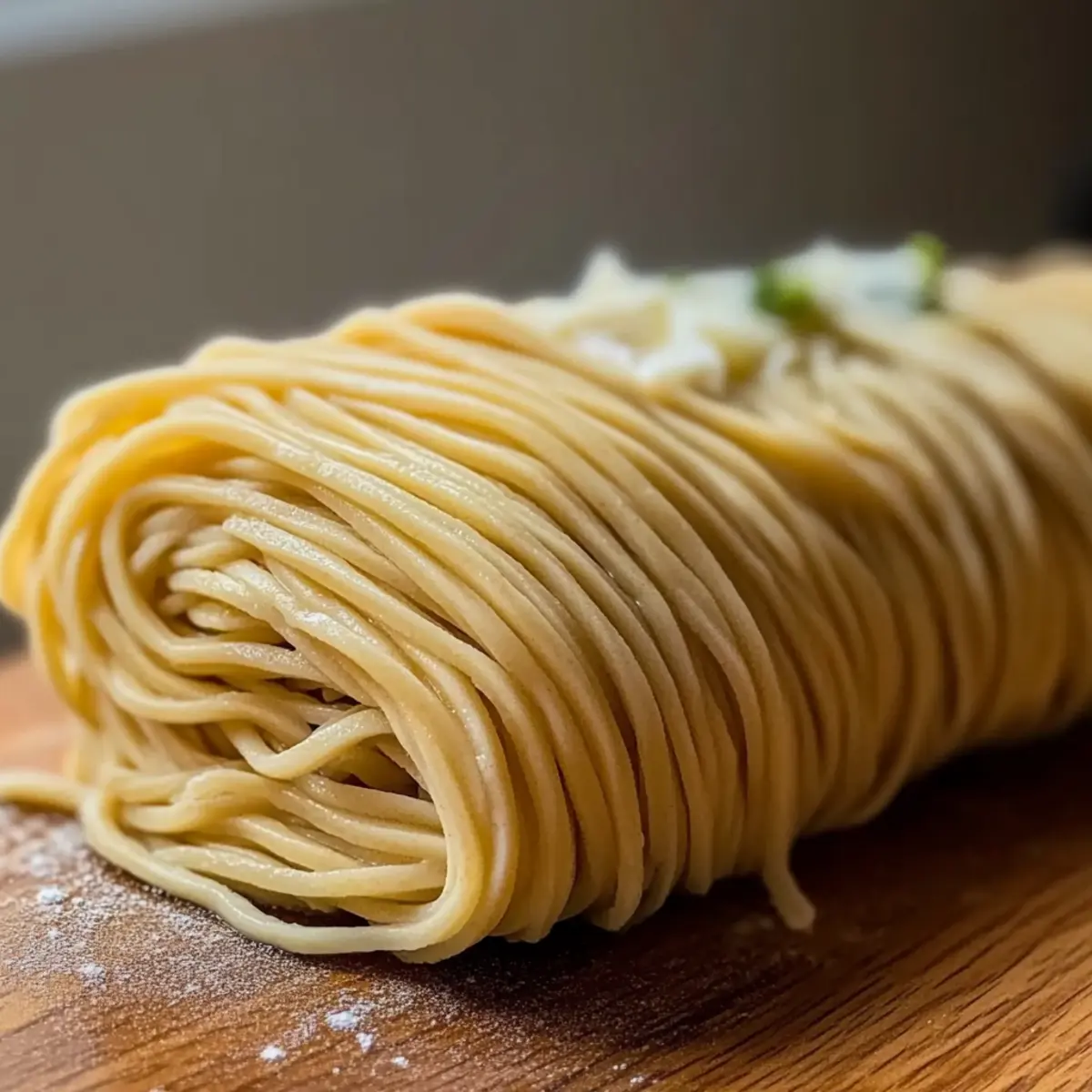
Your homemade ramen noodles are now ready to be enjoyed! Combine them with your choice of rich broth and toppings such as scallions, soft-boiled eggs, or sliced protein. Alternatively, toss them in a stir-fry or serve cold in a salad. Whichever way you choose, these noodles will elevate your meal to a whole new level of deliciousness!
Homemade Ramen Noodles Recipe Variations
Feel free to let your creativity shine and customize your noodles to fit your taste buds!
- Whole Wheat Flour: Substitute all-purpose flour with whole wheat for a heartier, nutty flavor and added nutrients.
- Gluten-Free Option: Use rice flour or a gluten-free blend to whip up noodles that cater to gluten-sensitive friends and family!
- Spicy Kick: Add a pinch of chili powder to the dough for a delightful spicy twist that warms your palate.
- Herb-Infused: Mix dried herbs like garlic powder or onion powder into the flour for an aromatic flavor that elevates the noodles even more.
- Zucchini Noodles: For a fun, veggie twist, spiralize zucchini or cucumber to serve alongside your ramen, adding freshness and crunch to your dish.
- Cold Noodle Salad: Toss the cooked noodles with sesame oil, soy sauce, and fresh veggies for a refreshing summer lunch or side dish. This is a perfect dish to enjoy on warm days!
- Creamy Ramen Bowl: Whisk in a spoonful of creamy peanut butter or tahini in your broth for a rich and nutty depth that’s utterly satisfying.
- Special Toppings: Go wild with your toppings! Try out pickled vegetables, tofu, or roasted seaweed to create unique and vibrant noodle dishes. Mix and match your favorites for a splash of color and flavor!
Need more inspiration? Consider pairing your noodles with my delicious Coconut Oatmeal Cookies for dessert or serve them alongside some delightful Butter Chicken Pasta for a fun twist on two beloved dishes!
How to Store and Freeze Homemade Ramen Noodles
Fridge: Uncooked homemade ramen noodles can be stored in the fridge for up to 2 days. Dust them lightly with cornstarch and place them in an airtight container to prevent sticking.
Freezer: For longer storage, freeze uncooked noodles in a single layer on a baking sheet until firm, then transfer them to an airtight container or freezer bag. They can be frozen for up to 3 months.
Reheating: Cooked noodles should be enjoyed fresh, but if you have leftovers, store them in the fridge for up to 3 days. Reheat by briefly boiling in water or microwaving with a splash of water to maintain their texture.
Storage Note: Remember, storing your homemade ramen noodles correctly ensures you have delicious, fresh noodles ready to use whenever inspiration strikes!
Expert Tips for Homemade Ramen Noodles Recipe
-
Use a Pasta Machine: For stress-free, uniform thickness, roll out the dough with a pasta machine, achieving that perfect ramen noodle texture.
-
Check Dough Consistency: Avoid sticky or dry dough; aim for a smooth, elastic consistency for the best results in your homemade ramen noodles recipe.
-
Dust to Prevent Sticking: Lightly dust the freshly cut noodles with cornstarch to keep them separated; this step also helps in storing them for future meals.
-
Taste as You Go: When cooking, taste the noodles early to ensure they don’t overcook; perfectly al dente noodles enhance every bowl.
-
Versatility Matters: Get creative with toppings and broth choices! Experimenting will not only make your meals exciting but also allows you to customize dishes to your family’s preferences.
Make Ahead Options
These Homemade Ramen Noodles are excellent for those busy weeknights when you want to save time without compromising flavor! You can prepare the noodle dough up to 24 hours in advance—just wrap it tightly in plastic wrap and refrigerate it to maintain freshness. For even more convenience, the uncooked noodles can be dusted with cornstarch and stored in an airtight container for up to 2 days in the fridge or frozen for up to 3 months. When you’re ready to enjoy, simply cook the noodles directly from the refrigerator or freezer; just add an extra minute to the boiling time. With these make-ahead tips, you’ll have fresh, delicious homemade ramen noodles ready in no time!
What to Serve with Homemade Ramen Noodles
Elevate your homemade ramen experience with delightful accompaniments that add flavor and texture to every bite.
-
Savory Broth: A rich, flavorful broth is essential for authentic ramen. It enhances your noodles, providing a warm embrace of flavors.
-
Fresh Vegetables: Adding colorful vegetables like bok choy or scallions brings crunch and vibrant flavors, making each bowl a feast for the eyes and palate.
-
Soft-Boiled Eggs: A creamy soft-boiled egg adds richness and protein, transforming your ramen into a nourishing meal everyone will love.
-
Grilled Chicken: Tender, marinated grilled chicken fillets provide a savory complement, offering a hearty source of protein and keeping the meal satisfying.
-
Spicy Chili Oil: A drizzle of spicy chili oil can elevate your bowl with a kick! Its bold heat contrasts beautifully with the noodles’ texture.
-
Cold Noodle Salad: Using your homemade ramen in a cold noodle salad with sesame dressing offers a refreshing twist that’s vibrant and delightful for warm days.
-
Miso Paste: Stirring in a spoonful of miso enhances depth of flavor, blending nicely with broth or sauces in your dish.
-
Beer or Sake: Pair your ramen with a crisp, cold beer or a smooth glass of sake for a delightful dining experience that complements the flavors beautifully.
-
Fruit Sorbet: For a light dessert, a refreshing fruit sorbet is an excellent choice, cleansing the palate while maintaining a touch of sweetness after your meal.
Homemade Ramen Noodles Recipe FAQs
How do I choose the best flour for my homemade ramen noodles?
Absolutely! For the best texture, I recommend using all-purpose flour, which provides the ideal structure for your noodles. If you’re looking for a denser texture, whole wheat flour can be a great alternative, but be sure to adjust the water content since it absorbs more moisture. Just keep an eye on the dough’s consistency—it should be smooth and slightly tacky.
How long can I store uncooked homemade ramen noodles?
You can store your uncooked homemade ramen noodles in the fridge for up to 2 days. Make sure to dust them lightly with cornstarch to prevent them from sticking together. Place them in an airtight container, and you’re good to go!
What is the best way to freeze homemade ramen noodles?
To freeze your homemade ramen noodles, start by laying them out in a single layer on a baking sheet. Freeze them until firm (about 1-2 hours), then transfer the noodles to an airtight container or freezer bag. They can last up to 3 months! When you’re ready to use them, just toss them directly into boiling water without thawing—easy peasy!
Can I customize this recipe for dietary restrictions, like gluten intolerance?
Very much so! While my homemade ramen noodles recipe uses all-purpose flour, you can easily experiment with gluten-free flour blends to suit dietary needs. Just keep in mind that you may need to adjust the water content for the gluten-free flours. The texture might differ slightly, but with the right combination of flours, you can achieve delicious homemade noodles everyone will enjoy!
What if my noodles are sticking together after cutting?
If you find your noodles clumping together, don’t worry! This is a common issue. I recommend dusting them with a bit more cornstarch right after cutting. Also, make sure to gently separate them before cooking. If they still stick after cooking, just keep them moving in the boiling water for the first couple of minutes to ensure they don’t clump!
How can I reheat leftover cooked ramen noodles properly?
Reheating leftover cooked noodles can be simple! Store them in the fridge for up to 3 days. To reheat, bring a pot of water to a gentle boil and briefly dunk the noodles for about 30 seconds until warmed through, then drain. Alternatively, you can microwave them with a splash of water covered to maintain moisture. Enjoy your delicious leftovers!
Delicious Homemade Ramen Noodles Recipe for Ultimate Comfort
Ingredients
Equipment
Method
- In a large mixing bowl, combine all-purpose flour and baking soda thoroughly. Gradually add water, mixing until it starts to clump together.
- Knead the dough for about 10 minutes until elastic, aiming for a smooth and slightly tacky texture.
- Wrap the kneaded dough and let it rest for at least 30 minutes at room temperature.
- After resting, divide the dough and roll it out thinly before cutting into desired noodle shapes.
- Cook the noodles in boiling salted water for about 2-3 minutes until al dente, then rinse under cold water.
- Combine the cooked noodles with broth and toppings or serve cold in a salad.
Leave a Reply