
As I boiled the water for my noodles, the aroma of ginger and garlic wafted through my kitchen, igniting my anticipation for a quick culinary adventure. With just 15 minutes to spare, I dove into making these delightful Korean Gochujang Noodles. This dish isn’t just about speed; it’s packed with vibrant flavors that transform an ordinary weeknight dinner into an exciting experience. The magic lies in the spicy sweetness of gochujang, perfectly complemented by the nutty essence of sesame oil. Besides being quick and easy, these vegetarian noodles can easily accommodate whatever vegetables you have on hand, making them a versatile option for any home chef. Ready to bring a little boldness to your plate? Let’s dive into this irresistible recipe that will undoubtedly spice up your weekly menu!
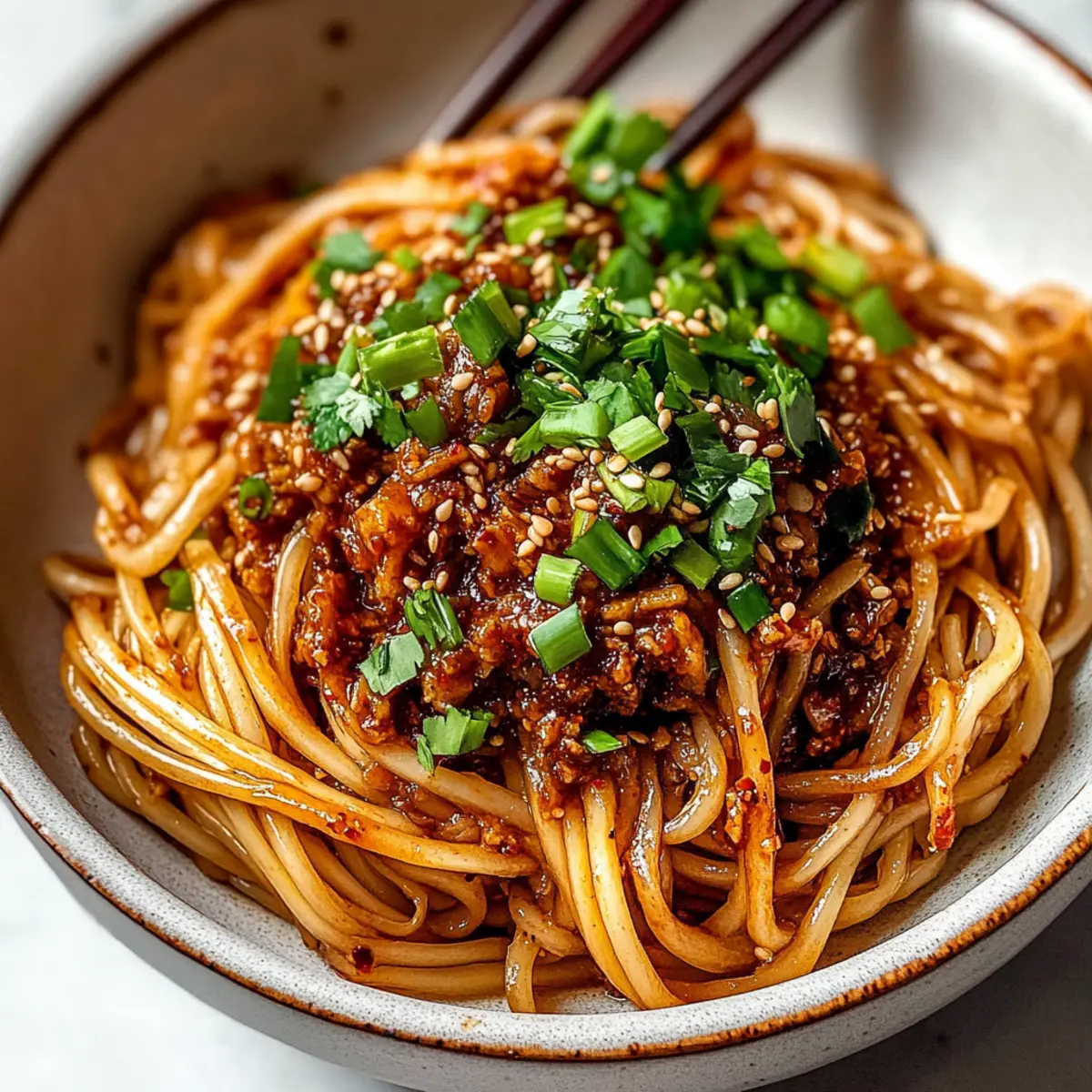
Why Choose Korean Gochujang Noodles?
Quick and Easy: These noodles come together in just 15 minutes, making them perfect for those hectic weeknights when cooking feels like a chore.
Vibrant Flavors: The unique blend of gochujang, garlic, and ginger delivers a deliciously spicy and slightly sweet flavor that will tantalize your taste buds.
Versatile Ingredients: Use whatever vegetables you have on hand for custom creations, be it bok choy, bell peppers, or mushrooms—making it a pantry favorite.
One-Pot Wonder: Ditch the mess! This easy recipe is cooked in one skillet, so cleanup is a breeze.
Crowd-Pleasing Appeal: Whether you’re entertaining guests or cooking for yourself, these noodles are sure to impress with their bold flavors and beautiful presentation.
Give these delicious Korean Gochujang Noodles a try, and you’ll soon find them becoming a staple in your meal rotation!
Korean Gochujang Noodles Ingredients
For the Noodles
- Rice Noodles or Linguine – Acts as the base of the dish, offering great structure; substitute with any pasta type if needed.
For the Sauce
- Sesame Oil – This adds a delightful nutty flavor; can be replaced with vegetable oil if required.
- Gochujang – The key ingredient for that signature spicy, tangy, and slightly sweet taste—essential for the recipe’s authenticity.
- Soy Sauce – Provides umami and enhances saltiness; switch to tamari for a gluten-free option.
- Rice Vinegar – Balances flavors with acidity; can be swapped out with apple cider vinegar.
- Maple Syrup or Honey – Introduces a touch of sweetness; agave syrup can work as a vegan alternative.
For the Aromatics
- Fresh Ginger (grated) – Contributes warm depth; use ground ginger if fresh isn’t available.
- Garlic (minced) – An essential for that aromatic fragrance and taste; granulated garlic works in a pinch, though fresh is the best choice.
For Garnishing
- Scallions (sliced) – Offers freshness and color to the dish; any chopped herb is a great garnish option.
- Toasted Sesame Seeds – Adds an appealing crunch and visual flair; omit if not on hand, but recommended for texture.
Optional Add-Ins
- Reserved Noodle Water – Crucial for adjusting the sauce consistency; don’t skip this step for perfect results.
- Sautéed Veggies (bok choy or mushrooms) – Enhances nutrition and texture; any quick-cooking greens work well as a substitute.
These Korean Gochujang Noodles will not only be a breeze to make but will also leave your taste buds celebrating!
Step‑by‑Step Instructions for Korean Gochujang Noodles
Step 1: Cook the Noodles
Begin by boiling a large pot of water. Once boiling, add your rice noodles or linguine, cooking according to the package instructions until they’re al dente, usually about 4-6 minutes. As they cook, prepare to reserve ½ cup of noodle water before draining them in a colander. This will be essential for adjusting the sauce later.
Step 2: Sauté the Aromatics
In a large skillet, heat 2 tablespoons of sesame oil over medium heat. Once the oil shimmers, add 2 minced garlic cloves and 1 tablespoon of grated ginger. Sauté them for about 1-2 minutes, stirring constantly until they become fragrant, ensuring they don’t burn. This aromatic base creates the foundation for your Korean Gochujang Noodles.
Step 3: Create the Sauce
Whisk in 3 tablespoons of gochujang, 2 tablespoons of soy sauce, 1 tablespoon of rice vinegar, and 1 tablespoon of maple syrup. Cook this mixture for another 1-2 minutes, allowing the flavors to marry and the sauce to slightly thicken. The rich, spicy aroma will fill your kitchen, signaling that your sauce is ready to enhance the noodles.
Step 4: Combine Noodles and Sauce
Add the drained noodles and reserved noodle water to the skillet, tossing everything together. Use tongs or a spatula to gently mix the noodles until they are well coated with the spicy sauce. Continue to toss for about 2 minutes, ensuring all the noodles are evenly combined and heated through.
Step 5: Simmer and Thicken
Let the noodle mixture simmer for an additional 2-3 minutes over medium-low heat, allowing the sauce to thicken slightly. You’ll know it’s ready when the noodles take on a glossy appearance, highlighting the vibrant flavors of your Korean Gochujang Noodles. Keep an eye on it to avoid overcooking.
Step 6: Serve and Garnish
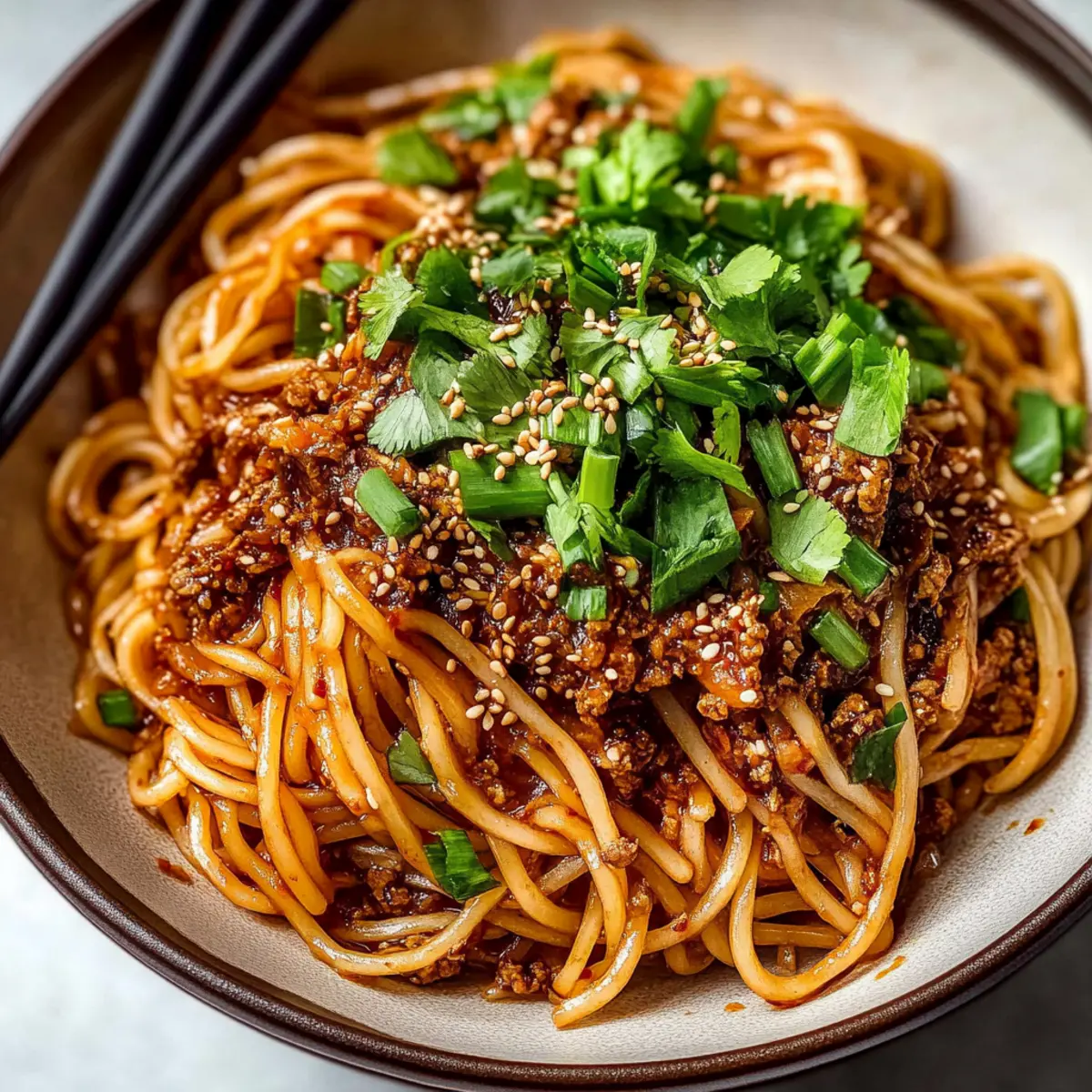
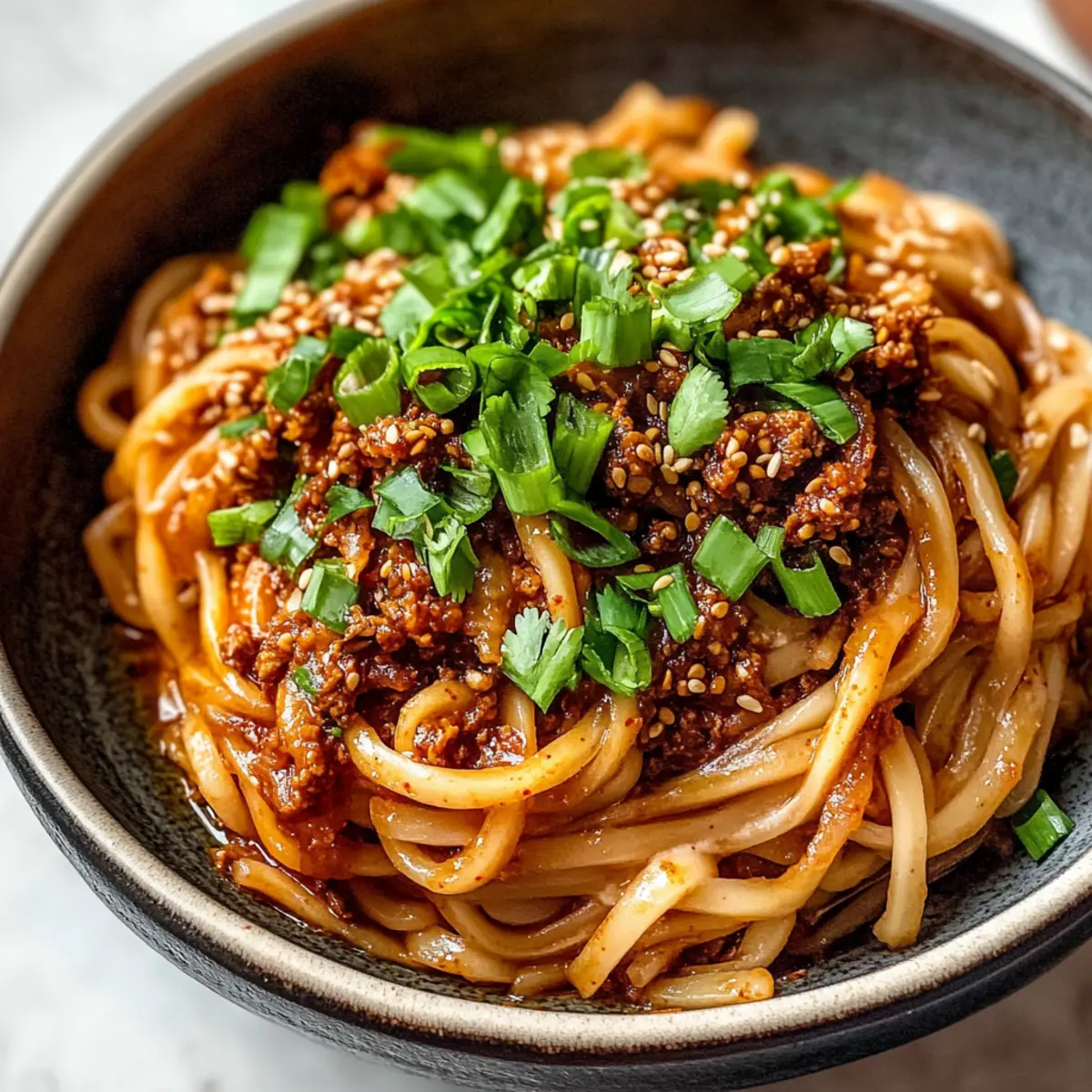
Immediately transfer the noodles to serving bowls. Garnish each bowl with sliced scallions and a sprinkle of toasted sesame seeds for added crunch and visual appeal. If you’ve opted for sautéed veggies, toss them in now for a nutritious boost. Your delicious and easy Korean Gochujang Noodles are ready to enjoy!
Korean Gochujang Noodles Variations
Feel free to explore these variations and make this quick dish even more your own!
- Whole Grain Noodles: Swap rice noodles for whole grain or whole wheat pasta to increase fiber and flavor.
- Extra Veggies: Add seasonal vegetables like bell peppers, snap peas, or zucchini for a colorful, nutritious twist. Fresh produce makes every bite exciting!
- Protein Boost: Toss in cooked shrimp, chicken, or chickpeas for added protein that will make this dish even heartier. It’s a simple way to satisfy those hunger pangs!
- Spice Level: Adjust the amount of gochujang to control the spice; use less for a gentle warmth, or add more for a fiery kick.
- Creamy Twist: Stir in a spoonful of peanut butter or tahini for a creamy richness that complements the spice perfectly. Your taste buds will be dancing!
- Citrus Zing: Squeeze fresh lime juice or add zesty citrus zest before serving to brighten the flavors and give an unexpected burst of freshness.
- Herb Infusion: Sprinkle in fresh herbs like cilantro or basil before serving for an aromatic finish. These bright flavors will enhance the dish beautifully!
- Pickled Vegetables: Serve with spicy pickled radishes or kimchi on the side to elevate the dish with tangy crunch that contrasts wonderfully with the noodles.
These adaptable ideas ensure that every time you make Korean Gochujang Noodles, it’ll be a uniquely unforgettable experience! For more fun flavor combinations, check out my article on Asian-inspired one-pot meals or explore easy vegetarian swaps. Enjoy your culinary journey!
Expert Tips for Korean Gochujang Noodles
-
Adjust the Heat: Start with a smaller amount of gochujang and gradually add more to suit your spice preference. It’s easier to add than to take away!
-
Perfect Consistency: Always reserve that noodle water before draining; it’s essential for creating the right sauce consistency that clings well to the noodles.
-
Add Protein: For an extra boost of nutrition, top your bowls with a soft-boiled egg or sautéed tofu. This makes your Korean Gochujang Noodles even heartier!
-
Experiment with Veggies: Don’t hesitate to mix and match vegetables based on what you have at home or what’s in season—bell peppers, snap peas, or green beans work wonderfully!
-
Serve Immediately: For the best texture and flavor, serve your noodles right after cooking. This ensures they remain glossy and irresistible.
Make Ahead Options
These Korean Gochujang Noodles are perfect for meal prep, allowing you to enjoy a delicious homemade dish with minimal effort on busy weeknights. You can cook the noodles and prepare the sauce up to 24 hours in advance, storing them separately in airtight containers in the refrigerator. To maintain quality, ensure the noodles are tossed lightly in a bit of sesame oil to prevent sticking. When you’re ready to serve, simply reheat the sauce on the stove, add the cooked noodles, and a splash of reserved noodle water to adjust the consistency. Toss everything together for a vibrant, restaurant-quality meal that tastes just as fresh!
What to Serve with Korean Gochujang Noodles
A vibrant meal awaits when you pair these spicy noodles with complementary dishes that enhance their bold flavors.
- Crispy Tempura Vegetables: Lightly battered and fried veggies provide a delightful crunch and contrast to the chewy noodles, perfect for sharing.
- Asian Cucumber Salad: This refreshing salad brings a crisp, cool element to the dish, balancing the heat of the gochujang with its tangy zing.
- Steamed Edamame: These protein-packed soybeans make for a simple yet satisfying side, offering a nutty flavor that pairs well with the dish’s spiciness.
- Kimchi: This traditional fermented side adds a probiotic boost and complements the noodles’ heat with its own spicy and tangy notes.
- Sesame Broccoli: Sautéed broccoli drizzled with sesame oil amplifies the dish’s nuttiness while providing a vibrant splash of green on your plate.
- Fruity Sparkling Water: A refreshing beverage that cleanses the palate and complements the bold spices, making every bite a joy.
Create a delightful dining experience by combining these delicious additions with your Korean Gochujang Noodles; your taste buds will thank you!
How to Store and Freeze Korean Gochujang Noodles
Fridge: Store your leftover Korean Gochujang Noodles in an airtight container for up to 3 days. This keeps the flavors intact and prevents them from drying out.
Freezer: While it’s best enjoyed fresh, you can freeze the noodles for up to 2 months. Ensure they are well-sealed in a freezer bag, removing as much air as possible.
Reheating: To reheat, gently warm the noodles in a skillet over medium heat with a splash of reserved noodle water, making sure to stir continuously until heated through. This helps revive their original texture.
Add Fresh Ingredients: When reheating, consider adding fresh veggies or a splash more gochujang to refresh the flavors of your Korean Gochujang Noodles for a delightful second meal!
Korean Gochujang Noodles Recipe FAQs
What type of noodles can I use for Korean Gochujang Noodles?
Absolutely! You can use rice noodles or linguine for this recipe, but feel free to substitute with any pasta type you prefer. This flexibility allows you to maintain the overall texture while accommodating personal tastes.
How should I store leftover Korean Gochujang Noodles?
Store your leftover noodles in an airtight container in the fridge for up to 3 days. This ensures they remain flavorful and moist. Remember, before storing, let them cool completely to avoid condensation, which can lead to sogginess.
Can I freeze Korean Gochujang Noodles?
Yes! You can freeze these noodles for up to 2 months. Make sure they are well-sealed in a freezer bag, pushing out as much air as possible. To reheat, thaw in the fridge overnight and warm gently in a skillet with a splash of reserved noodle water to revive their original texture.
How do I adjust the spice level in Korean Gochujang Noodles?
Very! If you’re unsure about the spice level, start with a smaller amount of gochujang—about 1 tablespoon. You can always add more until it reaches your preferred heat. This way, you can customize the dish to suit everyone’s taste buds!
Are Korean Gochujang Noodles suitable for vegetarians?
Absolutely! These noodles are naturally vegetarian, but if you have specific dietary restrictions or allergies, simply opt for gluten-free soy sauce (like tamari) and ensure any additional ingredients, like toppings, align with your dietary needs.
What’s the best way to reheat leftover Korean Gochujang Noodles?
For the best results, reheat the noodles in a skillet over medium heat. Add a splash of the reserved noodle water, stirring continuously until heated through. This helps to maintain the texture and allows the sauce to re-coat the noodles perfectly, making your meal feel freshly made!
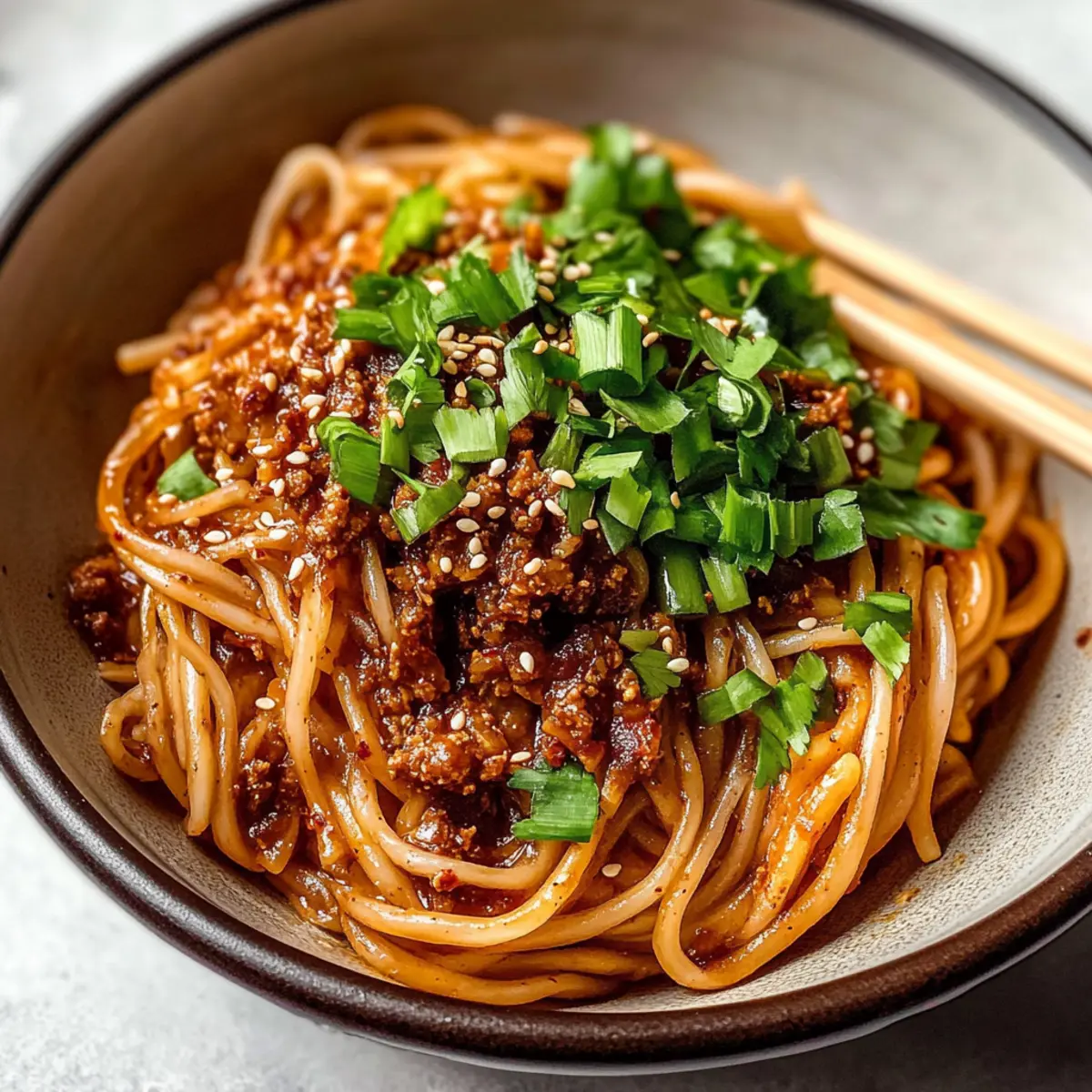
Spicy Korean Gochujang Noodles Ready in 15 Minutes!
Ingredients
Equipment
Method
- Cook the Noodles: Boil a large pot of water. Add rice noodles or linguine according to package instructions until al dente, about 4-6 minutes. Reserve ½ cup of noodle water before draining.
- Sauté the Aromatics: In a large skillet, heat sesame oil over medium heat. Add minced garlic and grated ginger. Sauté for 1-2 minutes until fragrant.
- Create the Sauce: Whisk in gochujang, soy sauce, rice vinegar, and maple syrup. Cook for another 1-2 minutes until the sauce slightly thickens.
- Combine Noodles and Sauce: Add drained noodles and reserved noodle water to the skillet. Toss until noodles are well coated and heated through, about 2 minutes.
- Simmer and Thicken: Let the mixture simmer for 2-3 minutes, watching for a glossy appearance indicating it's ready.
- Serve and Garnish: Transfer noodles to serving bowls. Garnish with scallions and sesame seeds. Add sautéed veggies if using.
Leave a Reply